Northern Lights Destination
Northern Lights in Alta, Norway
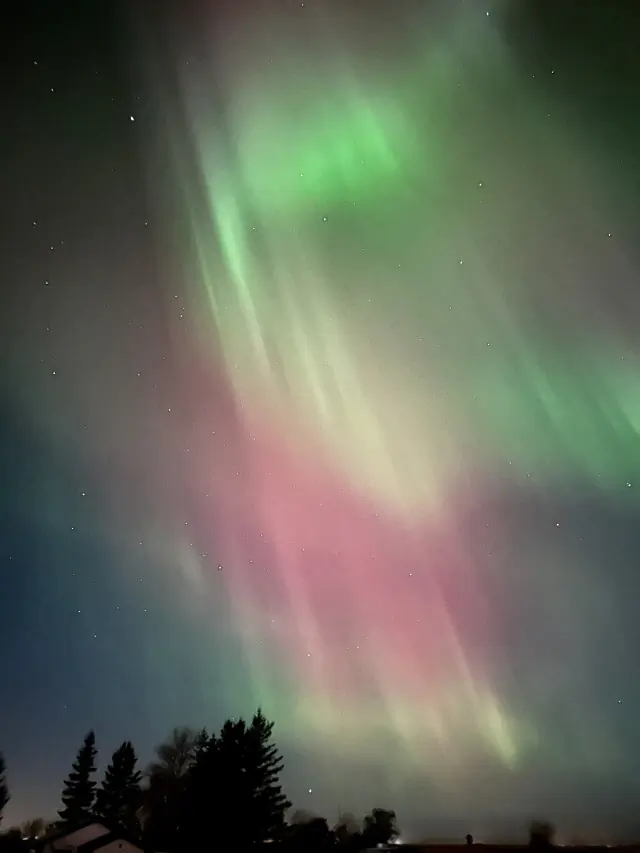
Visit the original City of the Northern Lights - Alta's cold, clear skies and rich aurora heritage make it one of Norway's premier aurora destinations.
Alta: The Original City of the Northern Lights
Alta holds a unique place in aurora history. In 1899, physicist Kristian Birkeland established the world's first permanent northern lights observatory on nearby Haldde Mountain, making Alta the birthplace of modern aurora research. Today, the city honors this heritage with the stunning Northern Lights Cathedral (Nordlyskatedralen), whose spiral architecture evokes the swirling aurora overhead.
Located at 69.97°N in Norway's northernmost county of Finnmark, Alta sits at the head of the Altafjord, surrounded by a vast plateau known as the Finnmarksvidda. This inland geography gives Alta a continental climate - colder than coastal Tromso, but crucially, much drier and clearer. While Tromso battles frequent maritime cloud cover, Alta enjoys significantly more clear sky nights during the aurora season.
With a KP index requirement of just 1, Alta is sensitive to even mild geomagnetic activity. The city's relatively small size (population ~20,000) means light pollution drops off quickly as you leave town. Check the aurora forecast to plan your viewing nights.
Where to See the Northern Lights in Alta
Alta's compact size and surrounding wilderness make it easy to find excellent dark-sky viewing locations:
Alta Canyon (Sautso): Northern Europe's largest canyon stretches 13 km long and up to 400 meters deep. Several viewpoints along the canyon rim offer dark skies and a dramatic landscape beneath the aurora. In winter, organized snowmobile tours take you along the canyon edge at night.
Haldde Mountain: The site of Birkeland's original aurora observatory. While the climb isn't feasible in deep winter, the lower slopes and the road approaching the mountain provide excellent vantage points with historical significance.
Sorrisniva: Located about 15 km from the town center, this area is home to the Sorrisniva Igloo Hotel (rebuilt in ice each year) and offers excellent dark sky conditions along the Alta River. Many aurora tours operate from this base.
Kautokeino Road (E6/93): Driving south toward the Finnmarksvidda plateau, the vast open tundra provides 360-degree views of the sky. Several designated parking areas along the road make safe stopping points.
Skillepadden: A residential area on the outskirts of Alta that offers surprisingly dark skies with views across the fjord. It's walkable from central accommodation.
Best Time for Aurora in Alta
Alta's aurora season runs from late September through late March, with the polar night period (November 24 to January 18) offering near-24-hour darkness:
October-November: Cold, crisp conditions set in early. The first heavy snowfall transforms the landscape and temperatures drop to -5°C to -15°C. Clear skies become more frequent as the continental climate asserts itself.
December-January: The polar night means you can potentially spot aurora at almost any hour. Temperatures can plunge to -20°C or below, but the clear, cold air makes for exceptionally sharp aurora viewing. This is prime time for ice hotel stays and snowmobile tours.
February-March: The return of twilight brings pastel skies during the day while nights remain long enough for aurora. Late February and March often deliver the season's strongest solar activity, coinciding with the spring equinox effect.
Use our best month guide to decide which period suits your travel style.
Practical Guide to Alta
Getting There: Alta Airport (ALF) has daily flights from Oslo and Tromso via SAS and Norwegian. The airport is conveniently located just 4 km from the town center.
Activities: Beyond aurora viewing, Alta offers world-class winter activities. Dog sledding through the Finnmarksvidda, snowmobile safaris to the canyon, visits to Sami reindeer herders, and the annual Sorrisniva Igloo Hotel (open January-April) are all highlights. The Alta Museum showcases 7,000-year-old rock carvings (UNESCO World Heritage Site).
Clothing: Alta is significantly colder than coastal destinations. Temperatures of -15°C to -25°C are common in January-February. Invest in serious Arctic clothing - thermal underwear, fleece layers, down jacket, insulated snow pants, and boots rated to at least -40°C. Tour operators typically provide additional warm suits.
Accommodation: Options range from the spectacular Sorrisniva Igloo Hotel to comfortable hotels in town and wilderness lodges. The Trasti & Tansen husky lodge combines dog sledding with aurora viewing. Book well ahead for December-February.
Plan the trip
Getting to Alta
Aurora trips need three things booked together: a flight into the right airport, somewhere dark to stay, and usually a car, because the sky you get is the sky above wherever you can drive to that night.
Compare flightsLive fares into Alta Airport (ALF), the closest airport to Alta.
Affiliate links. Booking through them costs you nothing extra and helps keep this site running.
Borealis App
Aurora forecasts, social feed & Hunter Ranks
Frequently Asked Questions
Alta earned this title because it was home to the world's first permanent northern lights observatory, built on Haldde Mountain in 1899 by physicist Kristian Birkeland. The city's clear continental climate and position at 70°N made it ideal for aurora research, a tradition that continues today.
Both are excellent, but they offer different experiences. Alta has clearer skies on average due to its drier continental climate, lower light pollution, and needs only KP 1 for aurora. Tromso offers more urban amenities, nightlife, and a wider range of tour operators. Many aurora enthusiasts visit both.
Alta is one of the coldest aurora destinations in Norway. Temperatures typically range from -5°C in October to -15°C to -25°C in January and February. Extreme cold snaps can bring temperatures below -30°C. Proper Arctic clothing is absolutely essential.
The Sorrisniva Igloo Hotel is rebuilt entirely from ice and snow each year, typically opening in January and lasting until April. Guests sleep in ice rooms on reindeer skins with thermal sleeping bags. It's located 15 km from Alta center and offers aurora viewing packages.
Yes, Alta's small size means light pollution is modest. On strong aurora nights (KP 3+), the lights are visible from town. However, for the best experience, head 10-15 minutes outside the center to locations like Sorrisniva or the Kautokeino road.
Related Articles
Destination
Northern Lights in Tromso
Known as the Gateway to the Arctic, Tromso is the world's most popular destination for northern lights tourism. Situated...
Destination
Northern Lights in Hammerfest
Hammerfest claims the title of one of the world's northernmost cities at 70.66°N. This compact Arctic city in Finnmark o...
Destination
Northern Lights in Nordkapp
Nordkapp (North Cape) at 71.17°N is marketed as the northernmost point of mainland Europe. This iconic cliff-top plateau...