Northern Lights Destination
Northern Lights in Sweden
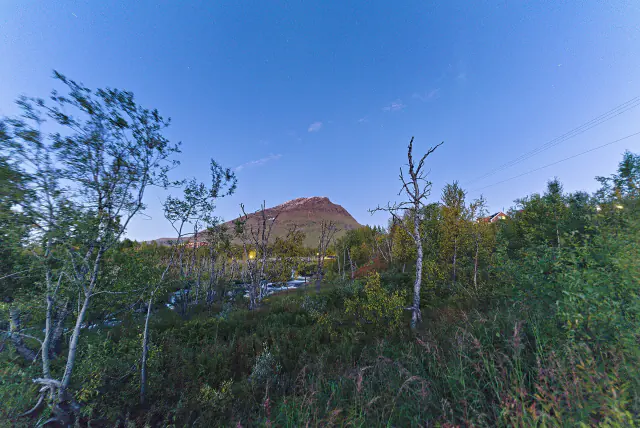
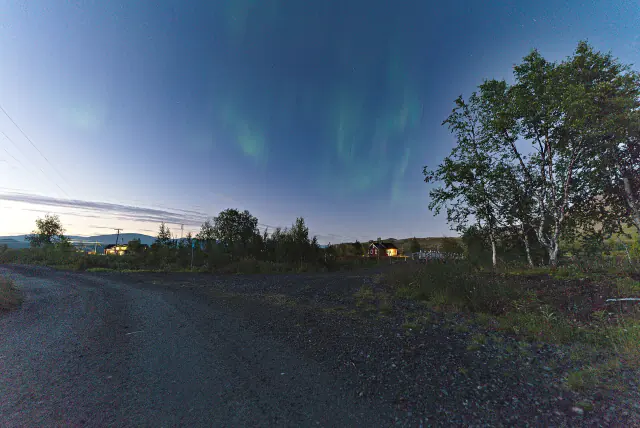
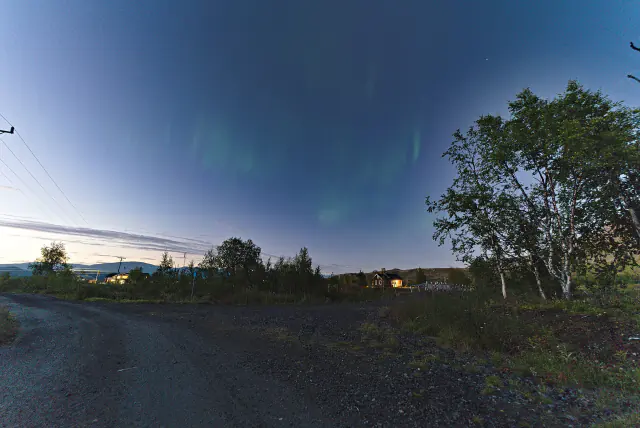
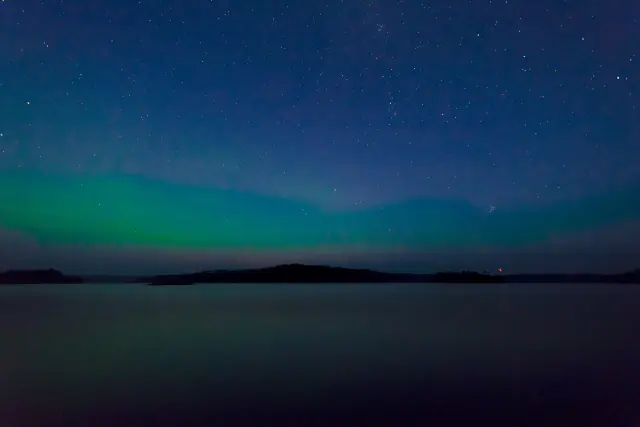
Swedish Lapland guards one of the world's best-kept aurora secrets: Abisko, where a unique microclimate creates a "blue hole" of clear sky even when surrounding regions are socked in by clouds. Combined with the surreal ICEHOTEL, dog-sled adventures through silent forests, and Sami heritage stretching back millennia, Sweden offers aurora viewing of rare purity and depth.
Why Abisko and Swedish Lapland Excel for Aurora Viewing
Sweden's claim to aurora fame rests primarily on Abisko National Park, a mountain-fringed valley in the far northwest that enjoys what locals call the "Blue Hole of Abisko" — a persistent area of clear sky caused by the rain shadow effect of the surrounding Scandinavian mountain range. When clouds blanket the rest of Lapland, Abisko often remains clear, giving it one of the highest rates of clear nights of any aurora destination in the world.
The Aurora Sky Station, perched at 900 meters elevation above Abisko, is accessible by chairlift and provides unobstructed 360-degree views above the tree line. Staffed by experienced aurora guides, the station offers warm viewing shelters, photography assistance, and a gourmet aurora dinner. It has been voted one of the world's top aurora viewing sites by multiple travel publications, including Lonely Planet and National Geographic.
Beyond Abisko, Swedish Lapland stretches across a vast wilderness of boreal forests, frozen rivers, and rounded mountains. The region is home to the Sami people, whose reindeer-herding culture and spiritual connection to the aurora (guovssahas in Northern Sami) add cultural depth to any visit. The combination of natural reliability, cultural richness, and Swedish design aesthetics creates an aurora experience that is both wild and refined.
Sweden's northern rail network provides one of the most romantic approaches to the aurora. The overnight train from Stockholm to Kiruna (17 hours) crosses the Arctic Circle at night and arrives in Lapland at dawn, ready for a day of Arctic activities before the evening aurora hunt. This sustainable travel option appeals to environmentally conscious travelers and adds a sense of journey and anticipation.
Best Time for Northern Lights in Sweden
The aurora season in Swedish Lapland mirrors that of neighboring Norway and Finland: September through March, with peak activity concentrated around the equinox months.
September and October bring autumn to Lapland, with birch forests turning golden against dark blue skies. Nights grow long quickly at 68°N, and by late September there is ample darkness for aurora viewing. The weather remains relatively mild (-5°C to 5°C), making outdoor activities pleasant. This period coincides with the autumn equinox aurora enhancement.
November and December mark the descent into polar night. In Kiruna and Abisko, the sun barely rises above the horizon from mid-December, creating a prolonged twilight that is hauntingly beautiful. Aurora viewing can begin as early as 3 PM. This is also peak season for the ICEHOTEL in Jukkasjärvi, which opens its doors each December with a completely new design carved from ice harvested from the Torne River.
January and February are the coldest months (-15°C to -30°C) but also offer some of the clearest skies. The Abisko blue hole effect is most pronounced when cold, stable Arctic air dominates the region. February brings the return of the sun and the beginning of the most photogenic aurora period, with snowscapes bathed in pink and blue twilight.
March is widely considered the optimal month. Extended daylight provides opportunities for dog sledding, skiing, and snowmobiling during the day, while long dark nights still allow for aurora viewing. The spring equinox effect boosts geomagnetic activity, and temperatures moderate to a more comfortable -5°C to -15°C. March also offers the best conditions for the annual dog sled races and ski marathons that animate Lapland's social calendar.
Top Aurora Viewing Spots in Sweden
Abisko National Park — The undisputed star of Swedish aurora viewing. The Aurora Sky Station, operated by the Swedish Tourist Association (STF), is the premier facility, offering guided aurora experiences at 900 meters elevation with warm shelters and gourmet dining. The shores of Lake Torneträsk (Sweden's seventh-largest lake) provide excellent waterfront viewing with mountain reflections. Even budget travelers can view aurora from the STF Abisko Turiststation hostel, which sits directly below the Sky Station.
Kiruna — Sweden's northernmost city (population 18,000) serves as the main gateway to Lapland. While the city itself has some light pollution, short drives in any direction reach pristine dark skies. Kiruna is also notable as a city literally being relocated — the LKAB iron ore mine beneath it is causing subsidence, prompting the Swedish government to move the entire town center 3 km east. The old and new cityscapes create an unusual and fascinating backdrop.
Jukkasjärvi — This small village on the Torne River is home to the original ICEHOTEL, rebuilt each winter from ice blocks harvested from the river. Sleeping in a room sculpted from ice at -5°C, then emerging to watch the northern lights over the frozen river, is one of Sweden's most iconic travel experiences. The year-round ICEHOTEL 365 allows ice room stays even in summer.
Porjus — A tiny village on the shores of Stora Lulevatten lake, Porjus has almost zero light pollution and sits beneath one of the widest stretches of open sky in Lapland. The Porjus Aurora Camp offers guided viewing experiences and is gaining recognition as a quieter, more affordable alternative to Abisko.
Jokkmokk — Located right on the Arctic Circle, Jokkmokk is the cultural capital of Sami Sweden. The annual Jokkmokk Winter Market, held since 1605, takes place in early February and coincides perfectly with aurora season. Experience Sami crafts, reindeer products, and traditional storytelling alongside aurora viewing from nearby lakes and forests.
Additional notable locations include Riksgränsen (Sweden's most northwesterly ski resort, on the Norwegian border), Gällivare (a former mining town with excellent dark skies and the Dundret nature reserve), and Pajala (on the Finnish border with extreme cold and pristine views).
What to Expect When Aurora Hunting in Sweden
Sweden offers a more understated and intimate aurora experience compared to heavily touristed Norway and Finland. You are less likely to encounter large bus tours and more likely to find yourself in a small group or alone on a frozen lake, watching the lights in near-complete silence. This tranquility is a defining characteristic of the Swedish Lapland experience.
At the Aurora Sky Station in Abisko, the experience begins with a chairlift ride up the mountain in the dark — an adventure in itself. At the summit, guides lead you to outdoor viewing platforms and heated shelters. On clear nights, the aurora is visible on approximately 77% of nights according to the station's own records — a remarkable hit rate. The station also serves a four-course aurora dinner for those who want to dine beneath the lights.
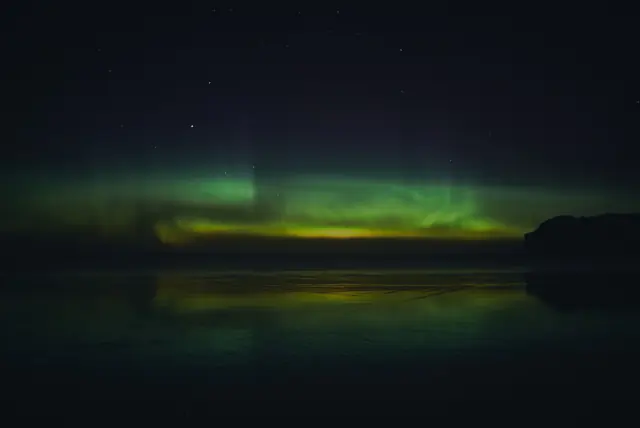
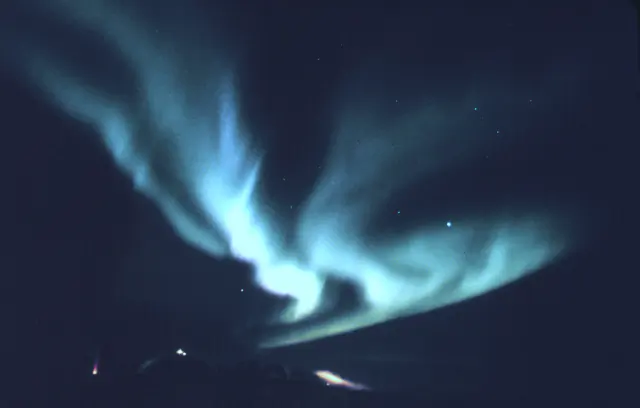
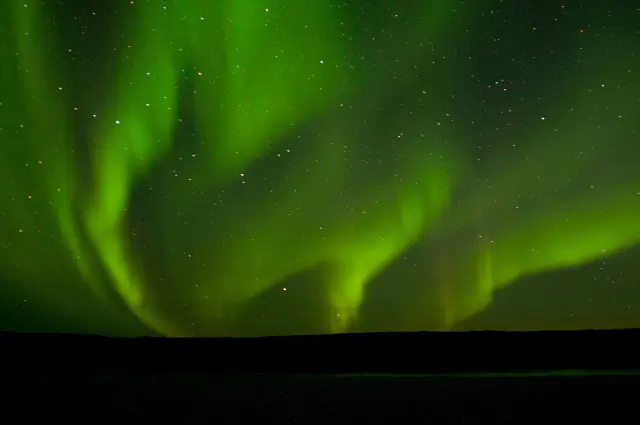
Aurora displays in Swedish Lapland tend to appear as arcs and bands stretching east-west across the sky during moderate activity. During substorms, these bands can break up into rapidly moving curtains, spirals, and coronas directly overhead. The most intense displays often occur between 9 PM and 1 AM, though activity can continue throughout the night.
If you opt for a wilderness experience, expect activities like snowshoeing to a frozen lake, where your guide sets up a fire and serves traditional Sami-inspired food — perhaps smoked reindeer meat and warm lingonberry juice — while you wait for the aurora. Husky sled tours that extend into the evening can combine the thrill of mushing with aurora viewing in the most natural setting imaginable.
The ICEHOTEL experience deserves special mention. After a day exploring the ice art gallery and warming up in the hotel's warm section, guests retire to their ice rooms around 10 PM, bundled in expedition sleeping bags on reindeer hides. Many guests set alarms to step outside during the night, where the frozen Torne River provides a stunning aurora viewing platform just steps from the hotel entrance.
Getting to Swedish Lapland
By air: Kiruna Airport (KRN) receives daily flights from Stockholm Arlanda (1.5 hours) operated by SAS. Gällivare also has a small airport. From Kiruna, Abisko is a 90-minute drive or a scenic train ride on the Malmbanan (ore railway). Transfers and rental cars are available at Kiruna Airport.
By train: The overnight train from Stockholm to Kiruna (SJ) takes approximately 17 hours and crosses the Arctic Circle during the journey. This is one of Europe's great rail experiences, with sleeping compartments, a dining car, and the anticipation of waking in the Arctic. Trains also run from Kiruna to Abisko (1.5 hours) and Narvik, Norway (3 hours) on the historic Ofoten Line.
By car: The E10 highway connects Luleå on the Gulf of Bothnia coast to Kiruna and continues to Abisko and the Norwegian border. The E45 runs north through the interior to Jokkmokk and beyond. Winter driving requires studded tires (legally mandatory November 1 through March 31 in certain conditions) and caution with moose and reindeer on the road.
By bus: Lapplandsbussen (long-distance bus) services connect Kiruna with Gällivare, Jokkmokk, and Luleå. Local buses run between Kiruna and Abisko several times daily during winter season. This is the most budget-friendly option for reaching Abisko without a car.
Borealis App
Aurora forecasts, social feed & Hunter Ranks
Frequently Asked Questions
Abisko benefits from a unique microclimate phenomenon called the 'Blue Hole of Abisko.' The surrounding mountain range creates a rain shadow effect that keeps clouds away from the Abisko valley, even when the rest of Lapland is overcast. Combined with its position at 68°N directly beneath the auroral oval and minimal light pollution, Abisko achieves clear-sky aurora viewing rates of approximately 77% during peak season — one of the highest documented rates globally.
A standard Aurora Sky Station visit (chairlift ride, guided viewing, warm shelter access) costs approximately 695 SEK ($65 USD) per person. The aurora dinner experience, which includes a four-course meal at the summit alongside guided viewing, costs approximately 1,895 SEK ($180 USD). Both can be booked through the STF (Swedish Tourist Association). Advance booking is essential during peak season.
March is generally considered optimal, offering a perfect balance of long dark nights, returning daylight for photography and daytime activities, spring equinox aurora enhancement, and moderating temperatures. February is also excellent. For the full dark experience including polar night, December and January offer the most darkness but also the coldest temperatures.
Yes. The original ICEHOTEL in Jukkasjärvi opens each year in December with new ice art installations and typically operates through mid-April, coinciding perfectly with aurora season. Additionally, ICEHOTEL 365 offers year-round ice rooms kept at -5°C using solar-powered cooling. The warm accommodation section of the hotel is open year-round as well.
Very rarely. Stockholm is at 59°N, well south of the auroral oval. Only during major geomagnetic storms (KP 7+) might faint aurora be visible on the northern horizon from Stockholm. For reliable aurora viewing, you need to travel to Swedish Lapland — ideally Kiruna or Abisko at 67-68°N, which is approximately 1,200 km north of Stockholm.
Abisko is 95 km west of Kiruna, accessible by car (approximately 90 minutes on the E10), train (1 hour on the Malmbanan railway), or organized transfer. The train is scenic and affordable, running through mountain and lakeside landscapes. Several aurora tour operators also offer pickup from Kiruna hotels for evening trips to Abisko. A rental car provides the most flexibility for self-guided aurora hunting.
Swedish Lapland offers dog sledding (half-day and multi-day expeditions), reindeer sleigh rides with Sami guides, snowmobiling across frozen landscapes, cross-country and downhill skiing (Riksgränsen, Abisko), ice climbing, snowshoeing, visiting Sami cultural sites and markets, touring the ICEHOTEL, and exploring Kiruna's space and mining heritage (the LKAB iron ore mine visitor center and Esrange Space Center).
Related Articles
Destination
Northern Lights in Norway
Norway is the world's premier aurora borealis destination, offering dramatic Arctic landscapes, well-developed tourism i...
Destination
Northern Lights in Finland
Finland's Lapland region is a magical aurora borealis destination where vast Arctic wilderness, Sami culture, glass iglo...
Destination
Northern Lights in Iceland
Iceland offers an otherworldly aurora borealis experience set against volcanic landscapes, glaciers, hot springs, and bl...