Northern Lights Destination
Northern Lights in Canada
Canada stretches across an enormous swathe of the auroral zone, from the maritime coast of Labrador to the towering Rockies of Alberta and the frozen tundra of the Northwest Territories. In Yellowknife, the self-proclaimed Aurora Capital of North America, clear skies and magnetic latitude converge to produce some of the most consistently spectacular northern lights displays anywhere on the planet.
Why Canada Offers World-Class Aurora Viewing
Canada's immense northern expanse places millions of square kilometers directly beneath the auroral oval. The country's magnetic latitude — which differs from its geographic latitude due to the position of the magnetic north pole in the Canadian Arctic — gives locations like Yellowknife (62°N geographic, but approximately 69° magnetic latitude) an outsized advantage for aurora viewing. The magnetic north pole's proximity means the auroral oval dips lower over Canada than over Scandinavia, bringing strong aurora activity to more accessible latitudes.
Yellowknife, capital of the Northwest Territories, sits beneath the auroral oval's statistical peak and claims an aurora visibility rate of over 90% across any three-night visit during peak season. This remarkable statistic comes from the city's continental climate, which produces cold, dry air masses that keep skies clear for extended periods. Unlike coastal destinations plagued by marine cloud cover, Yellowknife's inland position ensures some of the most stable clear-sky conditions of any aurora destination.
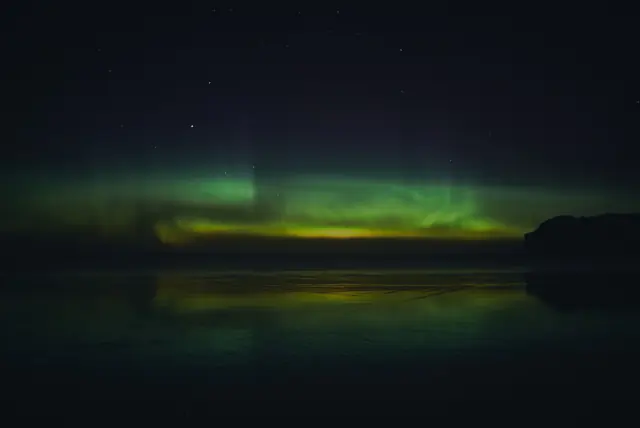
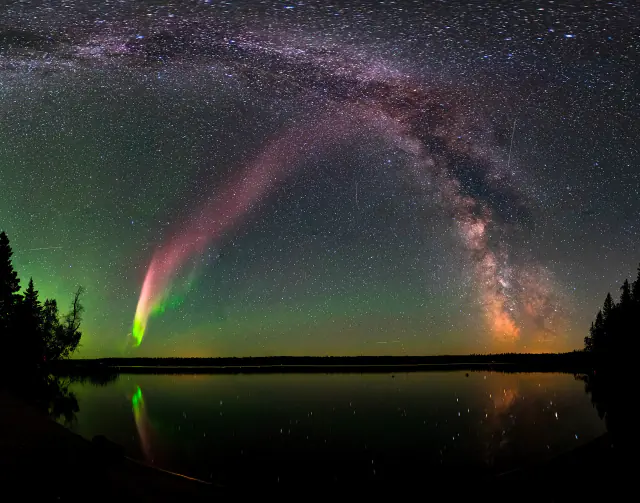
Canada's sheer wilderness scale creates viewing conditions impossible to replicate elsewhere. Imagine watching the aurora from a frozen lake so vast it stretches to every horizon, with no artificial light source for hundreds of kilometers. Or seeing the lights reflected in the still waters of a British Columbia hot spring, backdropped by the silhouette of the Rocky Mountains. The diversity of Canadian landscapes — boreal forest, tundra, mountains, prairies, and coastline — means every aurora experience is unique.
The country's indigenous cultures add profound depth to aurora viewing. The Dene, Inuit, Cree, and other First Nations peoples have watched the northern lights for thousands of years, developing rich oral traditions about the lights' meaning. In Yellowknife, indigenous-owned tour companies offer aurora experiences that weave cultural storytelling into the viewing, adding layers of meaning beyond the visual spectacle.
Best Time to See Northern Lights in Canada
Canada's aurora season runs from late August through mid-April, with the core peak period from September through March. The precise timing varies by location, as Canada spans multiple climate zones across an enormous geographic area.
September and October are outstanding months for Canadian aurora viewing. The autumn equinox effect enhances geomagnetic activity, and the nights are long enough for viewing but temperatures remain relatively mild (-5°C to -15°C in Yellowknife). Fall colors around Whitehorse and the Yukon add a stunning dimension. September also avoids the extreme cold that deters some visitors later in winter.
November and December bring deepening cold and extended darkness. By December, Yellowknife sees just 5-6 hours of daylight, leaving vast stretches of dark sky for aurora watching. Temperatures drop to -25°C to -35°C, requiring serious winter gear. The cold snap also brings exceptionally clear, stable atmospheric conditions that produce vivid, sharp aurora displays.
January and February are the coldest months, with Yellowknife regularly hitting -40°C (which equals -40°F — the one point where the two scales converge). This extreme cold is not for everyone, but it produces the clearest skies and most vivid aurora colors of the season. Dressed properly, short viewing sessions of 30-60 minutes are perfectly manageable, and heated viewing shelters at most tour operations allow you to warm up between displays.
March and early April offer a sweet spot of lengthening days, moderating cold (-15°C to -25°C), and the spring equinox aurora enhancement. Many experienced aurora watchers consider March the ideal month for Canadian northern lights. The return of twilight also enables stunning photography with blue-hour backgrounds.
Check the aurora forecast and the KP index before your trip. In Yellowknife, even KP 1-2 can produce visible aurora, while Churchill and Whitehorse typically need KP 2-3 for reliable displays.
Best Places to See Northern Lights in Canada
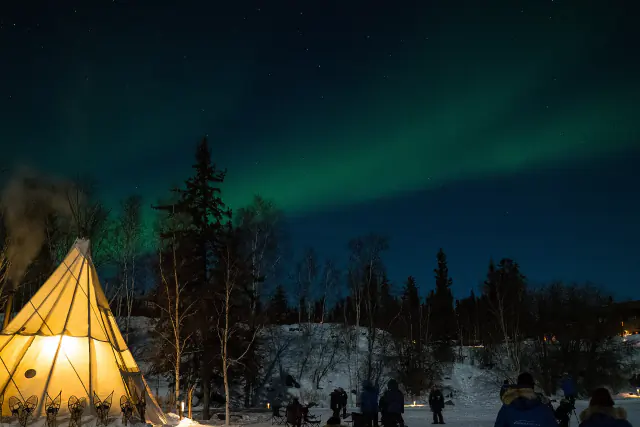
Yellowknife, Northwest Territories — The undisputed aurora capital of North America. Yellowknife's combination of magnetic latitude, continental climate, and flat terrain creates aurora viewing conditions rivaled by few places on Earth. Multiple tour operators offer guided experiences ranging from heated lakeside cabins with aurora alert systems to traditional indigenous teepee camps on the frozen Great Slave Lake. The Aurora Village, a purpose-built viewing facility with heated teepees and photography services, is the most popular organized experience.
Whitehorse, Yukon — The capital of Yukon Territory offers a more laid-back and adventurous aurora experience. Whitehorse sits at 60.7°N with excellent magnetic latitude, and the surrounding wilderness provides stunning mountain backdrops. The Northern Lights Space and Science Centre on the outskirts of town is a dedicated aurora viewing facility with heated observation decks. Whitehorse also serves as a gateway to Dawson City and the more remote Yukon wilderness.
Churchill, Manitoba — Known primarily as the Polar Bear Capital of the World, Churchill offers a unique aurora experience from October through March (after polar bear season ends). The flat tundra provides 360-degree sky views, and the town's position beneath the auroral oval ensures strong activity. Churchill is also one of the few places where you can see both polar bears (October-November) and northern lights (from the same trip if you time it right in late October).
Jasper, Alberta — Canada's largest Dark Sky Preserve encompasses the entire Jasper National Park, making it the world's second-largest dark sky preserve. While at a more southerly latitude (52.8°N) requiring higher KP levels for aurora (KP 3-4+), the mountain scenery — snow-capped Rockies reflected in pristine alpine lakes — creates astonishingly photogenic aurora compositions. Jasper's Dark Sky Festival each October celebrates the night sky with guided aurora hunts.
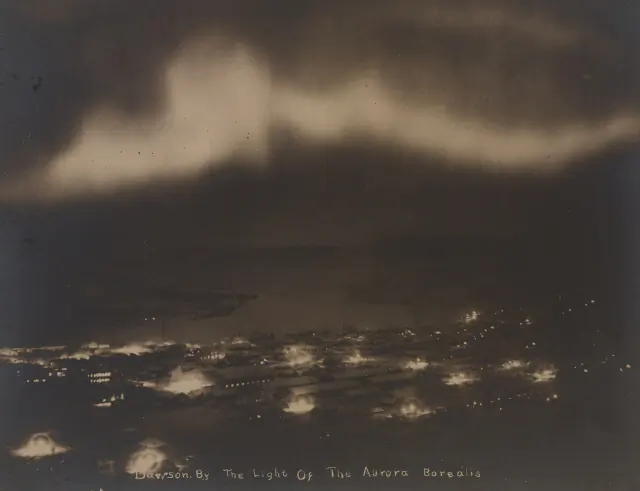
Dawson City, Yukon — This former Gold Rush town at 64°N offers frontier-style aurora viewing in one of Canada's most characterful small towns. Midnight Dome, a hill overlooking the town and the confluence of the Yukon and Klondike Rivers, provides a legendary aurora viewpoint. The combination of gold rush history, indigenous Tr'ondek Hwech'in culture, and wild Yukon scenery creates an aurora trip like no other.
Other excellent Canadian aurora destinations include Iqaluit (Nunavut's capital, deep in the Arctic), Fort McMurray (Alberta, with dark skies and good latitude), and Thunder Bay (Ontario, accessible and surprisingly good for aurora during strong storms).
The Canadian Aurora Experience
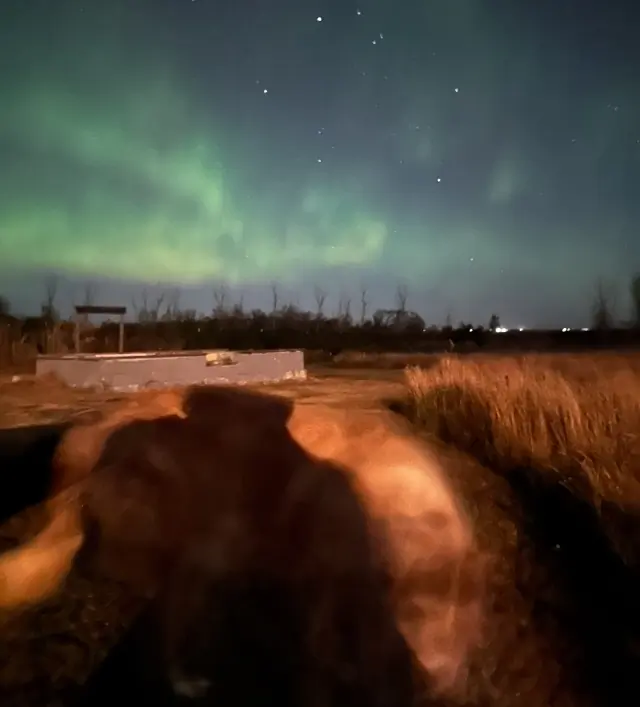
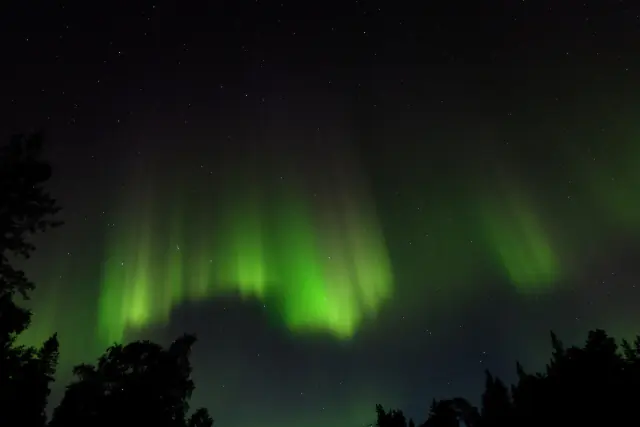
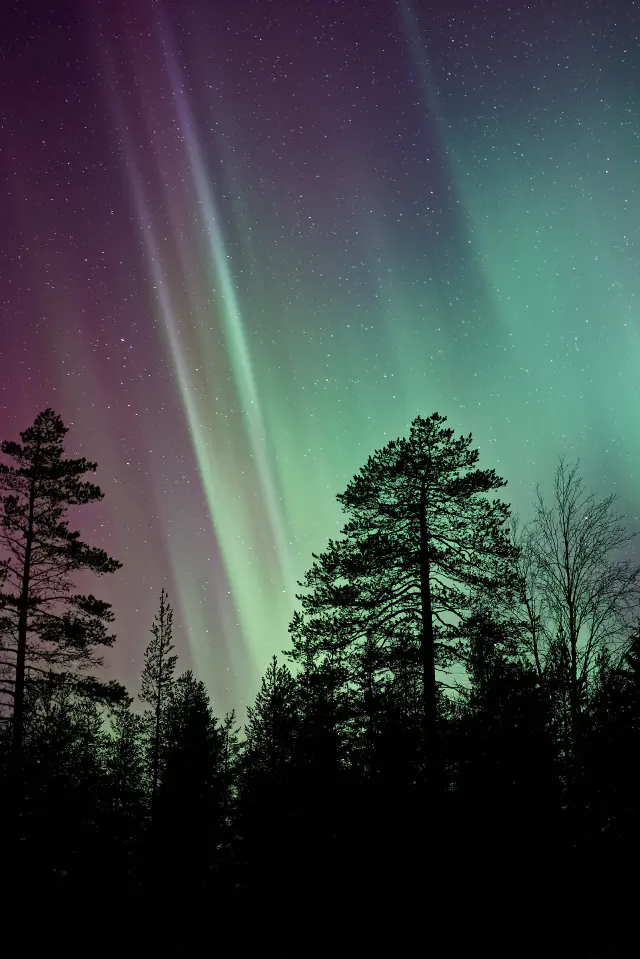
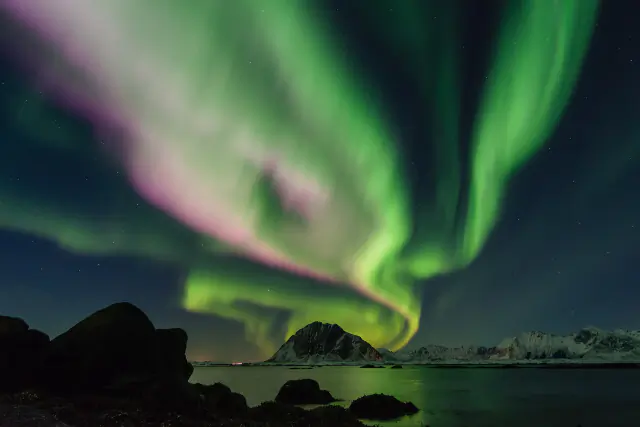
Aurora viewing in Canada is defined by scale and intensity. Due to the proximity of the magnetic north pole, auroral displays in Canada often fill the entire sky rather than appearing only on the northern horizon. Full-overhead coronas — where aurora rays converge at a single point directly above you — are more common in Canada than in most Scandinavian locations. During active displays (KP 4+), the entire sky can ignite in greens, purples, and reds simultaneously.
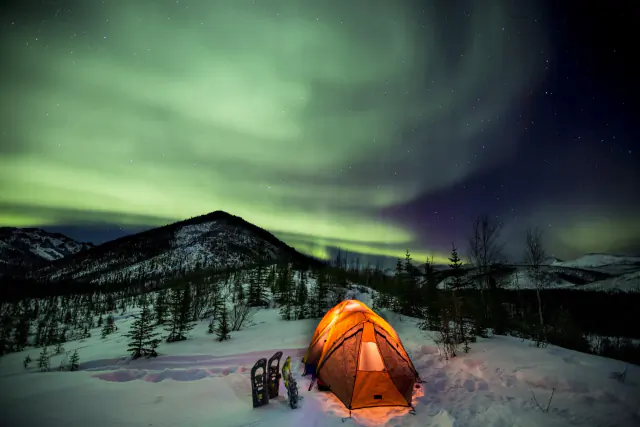
In Yellowknife, the typical tour experience involves being driven to a lakeside viewing area outside town (10-30 minutes). Tour operators maintain permanent heated shelters — ranging from traditional indigenous teepees to modern heated cabins — equipped with hot drinks, snacks, and reclining chairs. Guides monitor aurora activity and alert guests when displays begin. Expect to spend 3-4 hours at the viewing site, with temperatures between -20°C and -40°C outside the shelter.
The cultural dimension of Canadian aurora viewing is unique. Indigenous-owned tour companies in Yellowknife and Whitehorse share Dene and Tlingit stories about the northern lights. In Dene tradition, the aurora is the spirit of the departed dancing in the sky, and whistling at the lights is said to attract their attention — or anger. These stories, shared around a fire beneath the aurora, create an emotional resonance that transcends typical tourism.
Photography conditions in Canada are exceptional. The dry continental air produces minimal atmospheric disturbance, resulting in sharp, clear aurora images. The challenge is cold — batteries die rapidly at -30°C, and frostbite can develop on exposed skin within minutes. Most serious photographers use battery grips with multiple batteries kept warm inside their jackets, swapping them frequently.
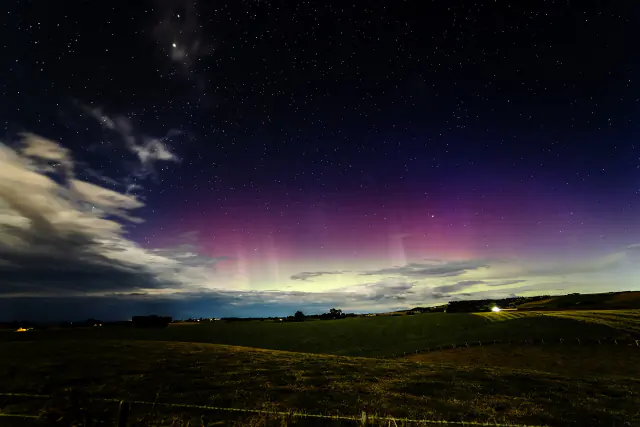
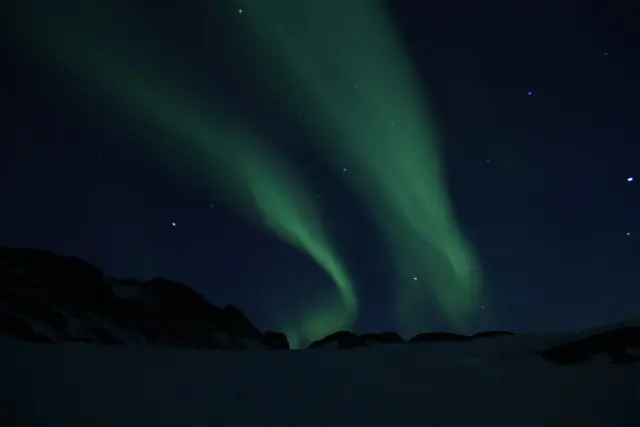
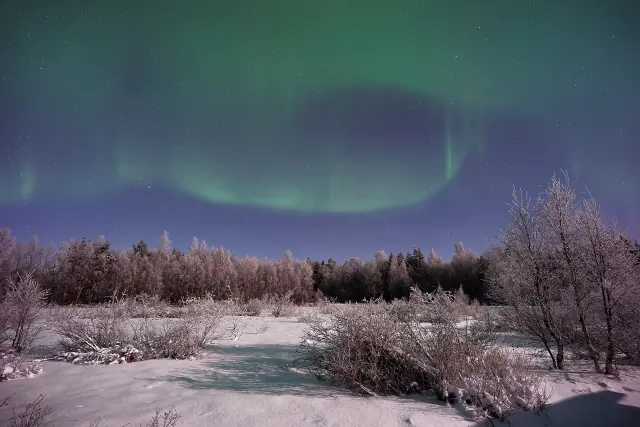
Canadian aurora displays are frequently bright enough to be vivid to the naked eye, unlike fainter displays that only appear colorful on long-exposure photographs. Vivid green curtains, purple fringes, and occasional red patches are all commonly visible without a camera. During powerful substorms, the aurora can produce enough light to cast visible shadows on the snow — a breathtaking phenomenon.
Tips for Northern Lights Viewing in Canada
Dress for extreme cold. Canadian aurora viewing, especially in Yellowknife and Churchill, involves temperatures that most travelers have never experienced. Invest in or rent proper Arctic gear: expedition-grade parka, insulated snow pants, pac boots rated to -40°C, heavy mittens (not gloves), balaclava, and chemical warmers. Most Yellowknife tour operators rent complete Arctic clothing packages for approximately $50-75 CAD per night.
Book at least three nights. Yellowknife's 90% aurora success rate over three nights is based on extended stays. One-night visits are risky — cloud cover or low activity can blank out a single evening. Three to five nights virtually guarantees at least one strong display and often delivers multiple memorable experiences.
Fly into Yellowknife via Edmonton or Calgary. Canadian North and WestJet operate regular flights from Edmonton (2 hours) and Calgary (3 hours) to Yellowknife. Whitehorse is served by Air Canada and Air North from Vancouver (2.5 hours). Churchill is accessible via Calm Air from Winnipeg (2.5 hours) or by the legendary two-day train journey from Winnipeg on VIA Rail.
Consider combining with other Canadian winter experiences. Yellowknife offers dog sledding on frozen Great Slave Lake, snowmobiling, ice fishing, and visiting the ice road (a highway built on frozen lakes, featured in the TV show Ice Road Truckers). In the Yukon, Whitehorse provides access to world-class cross-country skiing, hot springs at Takhini, and historic Dawson City. Churchill combines aurora viewing with visits to the polar bear denning area and beluga whale watching (summer).
Budget tips: Canada is moderately priced compared to Scandinavia. Accommodation in Yellowknife ranges from $100-250 CAD per night for hotels. Guided aurora tours cost $80-150 CAD per person. Self-catering in a vacation rental or Airbnb can save significantly on meals. The biggest expense is typically the flight to northern Canada — book early for the best fares.
Borealis App
Aurora forecasts, social feed & Hunter Ranks
Frequently Asked Questions
Yellowknife, Northwest Territories, is widely considered the best northern lights destination in North America. Its position beneath the auroral oval, continental climate producing clear skies, and well-developed tour infrastructure create optimal conditions. Visitors to Yellowknife for three nights have over a 90% chance of seeing the aurora.
September and March are considered the optimal months, combining good aurora activity (equinox enhancement), manageable temperatures, and clear skies. The full season runs from late August through mid-April. January and February offer the most darkness and clearest skies but extreme cold (-30°C to -40°C in Yellowknife).
Very rarely. Both cities are too far south for regular aurora viewing. Major geomagnetic storms (KP 7-8+) can occasionally produce faint aurora visible on the northern horizon from these cities, but this occurs only a few times per year. For reliable viewing, travel to Yellowknife, Whitehorse, Churchill, or at minimum northern Alberta (Edmonton area during strong storms).
Yellowknife is genuinely cold. Average winter temperatures are -20°C to -30°C from December to February, with occasional dips to -40°C or below. September and March are milder at -5°C to -15°C. Proper Arctic clothing is essential — most tour operators offer full Arctic gear rental packages. Wind chill is generally less severe than in coastal destinations.
Budget approximately $2,000-3,500 CAD per person for a 4-night trip, including return flights from a major Canadian city ($500-900 CAD), hotel accommodation ($100-250/night), three nights of guided aurora tours ($80-150/night), Arctic gear rental ($50-75/night), and meals. Premium packages with luxury lodges and private tours can reach $5,000+ CAD.
Yellowknife generally offers more reliable aurora viewing due to its superior magnetic latitude and consistently clear skies. However, Whitehorse provides a more diverse travel experience with mountain scenery, hot springs, and Gold Rush history. Yellowknife is the focused aurora mission; Whitehorse is the adventurous all-round northern trip. Both are excellent choices.
Jasper National Park, a Dark Sky Preserve, offers occasional aurora viewing during moderate-to-strong geomagnetic storms (KP 4+). The mountain scenery provides stunning backdrops when the lights do appear. Banff is slightly more southerly and has more light pollution but can still catch strong displays. Neither is a reliable aurora destination — they are bonuses rather than the primary reason to visit.
Different indigenous groups have their own names and traditions. The Dene people of the Northwest Territories view the aurora as spirits of the departed dancing. The Cree call them the 'Dance of the Spirits.' The Inuit of the eastern Arctic traditionally believed the lights were spirits of animals they had hunted. These rich cultural perspectives are shared during indigenous-led aurora tours in Yellowknife and across northern Canada.
Related Articles
Destination
Northern Lights in Alaska
Alaska is America's ultimate aurora frontier, where northern lights dance above vast wilderness stretching from the Arct...
Destination
Northern Lights in USA
The contiguous United States offers surprising northern lights viewing opportunities across its northern tier, from the ...
Destination
Northern Lights in Iceland
Iceland offers an otherworldly aurora borealis experience set against volcanic landscapes, glaciers, hot springs, and bl...