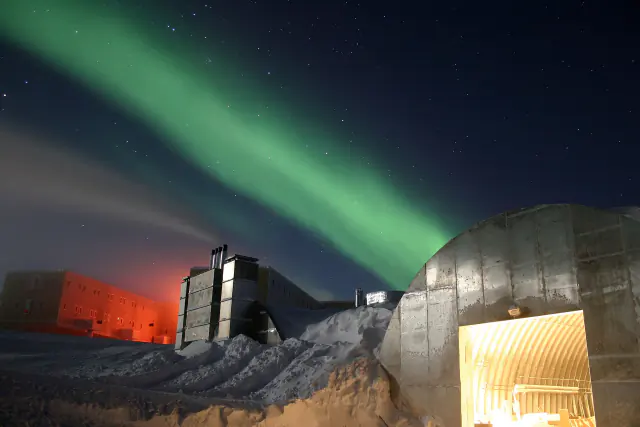
Northern Lights Destination
Northern Lights in Nome, Alaska
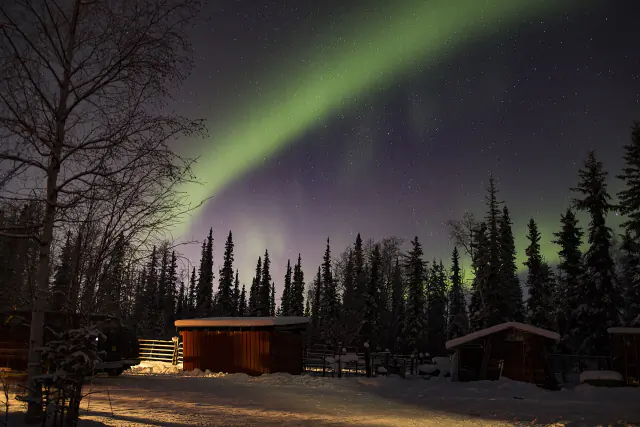
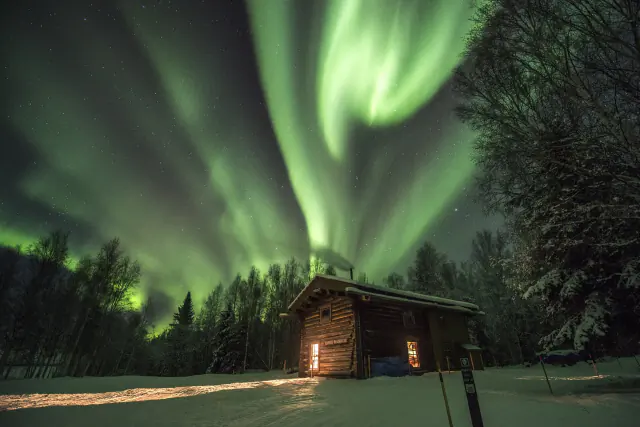
Nome offers aurora viewing at the edge of the continent — where the Bering Sea meets Alaskan tundra and the northern lights dance above one of America's last true frontier towns.
Aurora at the Edge of America
Nome at 64.50°N sits at the same latitude as Fairbanks, requiring only a KP index of 2 for visible aurora. However, Nome's position on the Bering Sea coast creates a dramatically different viewing experience — the aurora dances above frozen ocean, sea ice formations, and the vast treeless tundra of the Seward Peninsula.
This remote town of about 3,800 people has virtually no light pollution beyond its own modest glow. Walking just minutes from the center of town puts you in darkness profound enough for exceptional naked-eye viewing. The flat coastal terrain provides unobstructed views from horizon to horizon.
Nome's isolation is part of its appeal. There are no roads connecting it to the rest of Alaska's highway system, and the community retains an authentic frontier character that has changed little since the Gold Rush era. Aurora viewing here feels like a genuine adventure at the edge of civilization.
Where to View Aurora Near Nome
The Nome-Council Highway heading east along the coast provides excellent viewing opportunities, with sea ice and the open Bering Sea creating a unique foreground. Several pull-offs along the road offer safe stopping points with unobstructed northern views.
The Nome-Teller Highway heading northwest provides access to vast tundra landscapes. As it climbs into the hills, elevated viewpoints emerge with panoramic views of the aurora over both land and sea.
Within Nome, the seawall along the waterfront provides an accessible viewing platform with the frozen Bering Sea stretching to the horizon. Anvil Mountain behind town offers elevated views when accessible. In winter, the frozen beach and sea ice create a surreal viewing environment unlike anywhere else.
Getting to Nome and Practical Tips
Nome is accessible only by air — there are no roads connecting it to the rest of Alaska. Alaska Airlines operates daily flights from Anchorage (1.5 hours), and Bering Air provides regional connections. The isolation adds to travel costs but also ensures an uncrowded, authentic experience.
Accommodation is limited to a few hotels, with the Aurora Inn and Nome Nugget Inn being the primary options. Restaurants and services are basic but adequate. Prices reflect the remote location — everything arrives by air or seasonal barge.
Winter in Nome is harsh, with temperatures dropping to -25°C to -35°C and strong coastal winds adding significant wind chill. The Bering Sea influence can also bring rapid weather changes and persistent cloud cover. Plan for flexibility and pack for extreme cold. Nome's three road systems (all ending in the wilderness) provide the only ground transportation options and are your aurora viewing corridors.
Plan the trip
Getting to Nome
Aurora trips need three things booked together: a flight into the right airport, somewhere dark to stay, and usually a car, because the sky you get is the sky above wherever you can drive to that night.
Compare flightsLive fares into Nome Airport (OME), the closest airport to Nome.
Affiliate links. Booking through them costs you nothing extra and helps keep this site running.
Borealis App
Aurora forecasts, social feed & Hunter Ranks
Frequently Asked Questions
Nome is accessible only by air. Alaska Airlines flies daily from Anchorage (about 1.5 hours). There are no roads connecting Nome to the rest of Alaska's highway system. Book flights in advance, especially during winter aurora season.
For adventurous aurora chasers seeking a unique experience, absolutely. Nome at 64°N offers excellent aurora frequency with KP 2 sensitivity, and the Bering Sea setting is unlike any other aurora destination. However, it's remote, expensive, and weather-dependent. For a more accessible Alaska aurora trip, Fairbanks is the safer choice.
Nome offers dog mushing, snowmobile excursions, Bering Sea coast exploration, and gold panning (even in winter with some operators). The town's Gold Rush history is fascinating, and the cultural heritage of the surrounding Inupiat communities adds depth to any visit.
The Bering Sea coast brings more cloud cover than interior Alaska. While Nome gets plenty of clear nights, it's less consistent than Fairbanks. Temperatures in winter range from -15°C to -35°C with wind chill. Plan multiple nights and be flexible with viewing plans.
Related Articles
Destination
Northern Lights in Fairbanks
Fairbanks is the undisputed aurora capital of the United States. Located in interior Alaska at nearly 65°N, this city si...
Destination
Northern Lights in Utqiagvik (Barrow)
Utqiagvik, formerly known as Barrow, is the northernmost city in the United States at 71°N. This Inupiat community on th...
Destination
Northern Lights in Anchorage
Anchorage, Alaska's largest city, offers aurora viewing opportunities that surprise many visitors. While not as far nort...