Northern Lights Destination
Northern Lights in Calgary, Canada
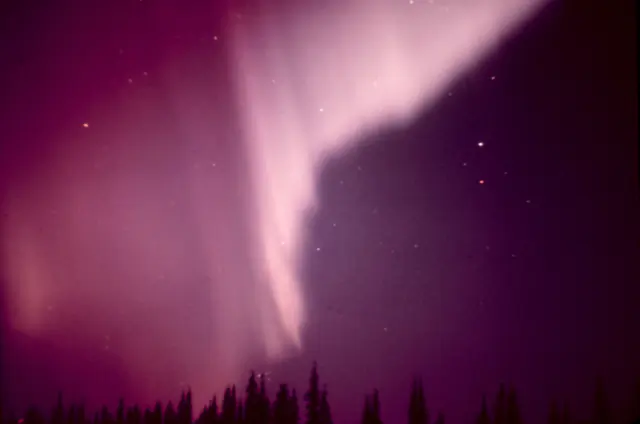
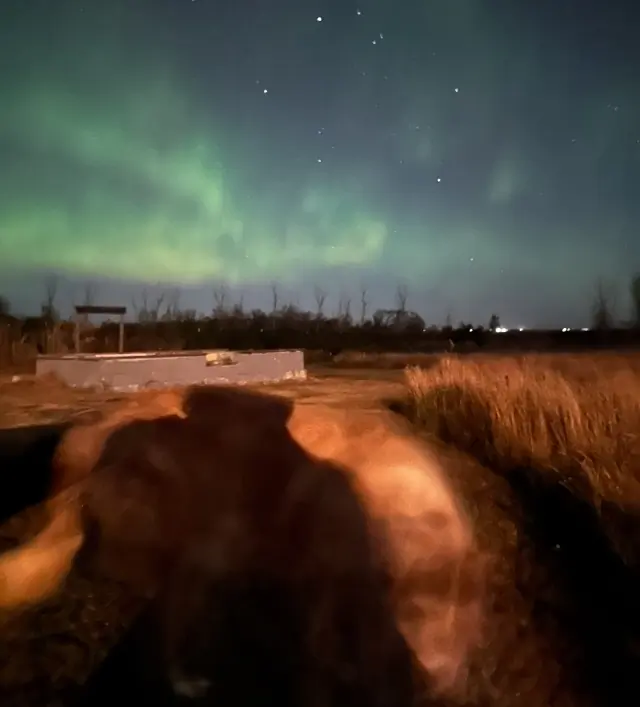
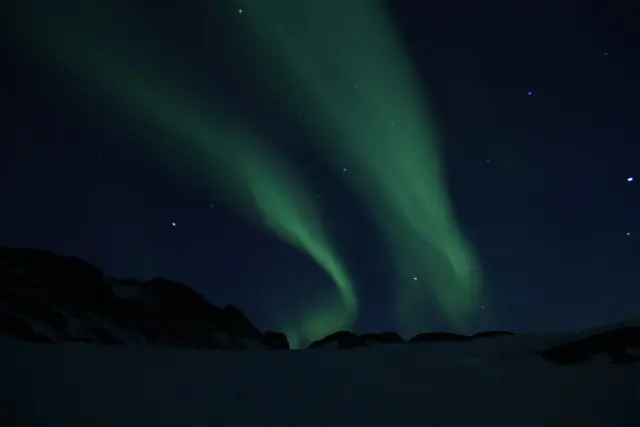
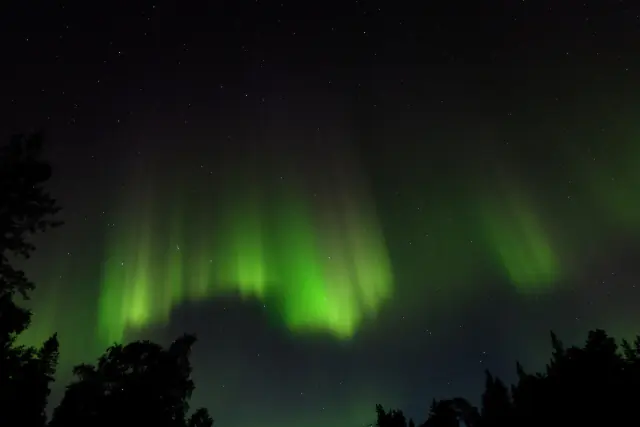
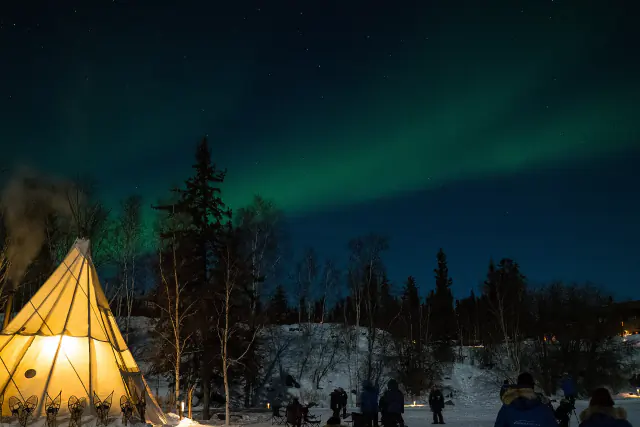
Calgary serves as your gateway to Rocky Mountain aurora viewing — and during strong geomagnetic storms, the northern lights can paint the sky above the city's dramatic skyline.
Northern Lights Viewing from Calgary
At 51.05°N, Calgary sits at a latitude where the northern lights become visible during moderate to strong geomagnetic storms (KP 5+). While not an everyday occurrence, Calgary residents and visitors can expect several notable aurora events per year, with exceptional displays during solar maximum years.
The city's position on the western edge of the prairies provides a key advantage — the northern horizon is relatively flat and open, especially northeast of the city. On clear nights when the KP index reaches 5 or higher, green aurora bands become visible low on the northern horizon, and during exceptional events (KP 7+), vivid overhead displays can even be seen from within the city.
Calgary's greatest aurora asset is its proximity to the Rocky Mountain parks. Banff is just 90 minutes west and Jasper is 4 hours northwest, both offering significantly darker skies and more frequent aurora viewing than the city itself.
Best Viewing Spots Near Calgary
Ghost Lake on Highway 1A west of Calgary provides a large open area with water reflections and reduced light pollution, about 45 minutes from downtown. The lake faces north, ideal for aurora watching, and numerous pull-offs provide safe stopping points.
Big Hill Springs Provincial Park northwest of the city offers darker skies within a 30-minute drive. The rural areas around Cochrane and Bragg Creek provide agricultural landscapes with open northern horizons and significantly less light pollution than suburban Calgary.
For the darkest conditions near the city, drive northeast toward Drumheller on the badlands route, where the rolling prairie and sparse population create excellent viewing. The hoodoo formations of the badlands make for unique aurora photography compositions.
Maximizing Your Chances from Calgary
Success in seeing aurora from Calgary depends on monitoring space weather forecasts. Download apps like My Aurora Forecast and sign up for NOAA alerts. When a KP 5+ event is forecast, be ready to drive 30-60 minutes from the city center to reduce light pollution.
Calgary International Airport (YYC) is a major hub with flights from across Canada and internationally, making it an easy starting point for aurora trips to the Rockies or further north. Rental cars are readily available, and the highway system provides fast access to dark-sky locations in every direction.
The city offers world-class accommodation, dining, and amenities, making it an excellent base for an aurora trip combined with other activities — skiing, hiking, wildlife viewing, and exploring the Rocky Mountain parks are all accessible from Calgary.
Plan the trip
Getting to Calgary
Aurora trips need three things booked together: a flight into the right airport, somewhere dark to stay, and usually a car, because the sky you get is the sky above wherever you can drive to that night.
Compare flightsLive fares into Calgary International Airport (YYC), the closest airport to Calgary.
Affiliate links. Booking through them costs you nothing extra and helps keep this site running.
Borealis App
Aurora forecasts, social feed & Hunter Ranks
Frequently Asked Questions
Calgary sees visible aurora roughly 5-15 times per year, depending on solar cycle activity. Strong events (KP 6+) that produce impressive displays occur perhaps 3-8 times per year. During solar maximum years, frequency increases significantly. Most events require driving outside the city for the best views.
A KP index of 5 is the minimum for visible aurora on Calgary's northern horizon. KP 6 produces more impressive displays with color visible to the naked eye. KP 7+ events can create overhead aurora visible even from within the city. These conditions are more common during solar maximum.
If a strong geomagnetic storm is forecast, driving to Banff (90 minutes) provides significantly darker skies and stunning mountain backdrops. However, for moderate events (KP 5-6), locations 30-45 minutes from Calgary like Ghost Lake or Cochrane can provide good views without the longer drive.
The equinox periods (late September and late March) statistically produce the most geomagnetic activity. Winter months offer longer nights. Overall, September through March is the aurora season, with any month capable of producing surprise displays during solar storms.
Related Articles
Destination
Northern Lights in Banff
Banff National Park in the Canadian Rockies combines world-class mountain scenery with surprising northern lights potent...
Destination
Northern Lights in Jasper
Jasper National Park holds the distinction of being the second-largest Dark Sky Preserve in the world, making it one of ...
Destination
Northern Lights in Edmonton
Edmonton, Alberta's capital, is one of the northernmost major cities in Canada at 53°N. This position gives Edmonton a g...