Northern Lights Destination
Northern Lights in Hay River, Canada
Hay River sits where the mighty Hay River meets Great Slave Lake — a dramatic delta landscape that frames the northern lights in some of the Northwest Territories' most accessible dark skies.
Aurora Borealis in the Hub of the North
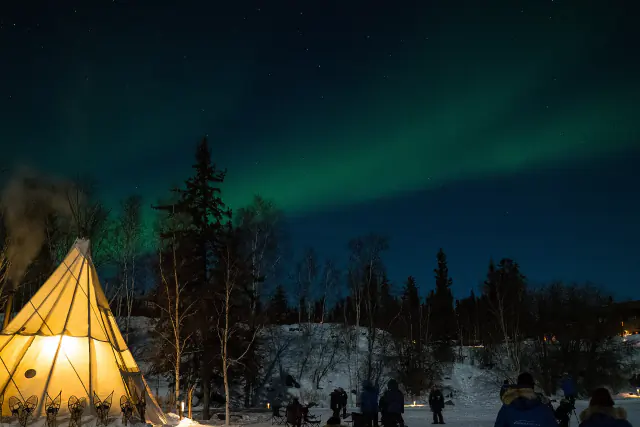
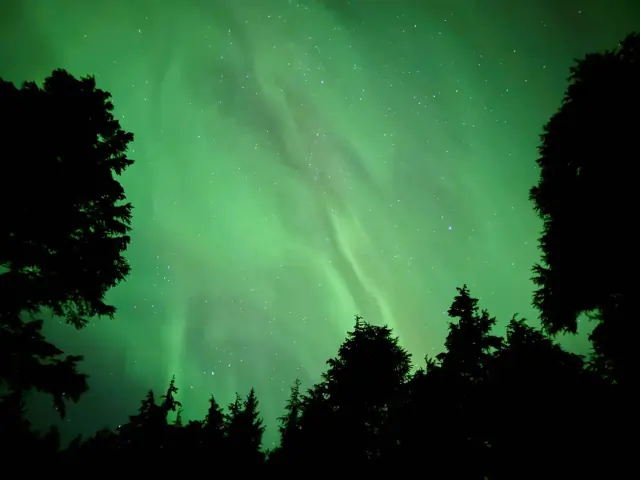
Hay River at 60.82°N sits firmly within the auroral zone, sharing a similar latitude and geomagnetic position to Yellowknife, just 120 km to the northeast across Great Slave Lake. A KP index of 4 reliably produces visible aurora displays here, and the town's modest size of around 3,600 people means light pollution disappears within minutes of leaving the town center.
The community occupies a unique geography at the mouth of the Hay River where it fans into a broad delta before draining into Great Slave Lake — the tenth-largest lake in the world. This delta landscape, with its braided channels, gravel bars, and open water (or ice in winter), provides a compelling and distinctive foreground for aurora photography unlike anything found in the more forested settings around Yellowknife.
Hay River is connected to the south by the Mackenzie Highway, one of the few all-weather roads into the Northwest Territories, making it significantly more accessible than other NWT aurora destinations. This accessibility, combined with a good selection of accommodation and services, makes it an excellent choice for travelers who want genuine NWT aurora without the expense of flying into Yellowknife. Review the aurora forecast to plan your viewing nights strategically.
Best Aurora Viewing Spots Near Hay River
The Great Slave Lake shoreline north of town is the premier viewing location. The lake's vast expanse — over 28,500 square kilometers — provides an enormous dark horizon to the north and east. In winter, the frozen lake surface becomes a natural viewing platform with 360-degree sky access. In autumn, aurora reflections in the open water create stunning photographic opportunities.
Vale Island, one of the delta's main islands, offers prime viewing positions at the river mouth. The broad river channels and open gravel bars provide unobstructed sightlines and interesting foreground elements. The Hay River delta viewpoints along the river road south of town provide elevated positions overlooking the braided waterway system.
Enterprise Beach and the areas along Highway 2 west of town provide additional dark viewing spots. Simply driving a few kilometers from town on any road brings dramatically darker conditions. The Alexandra Falls area along the Hay River upstream offers a waterfall foreground for aurora photography — one of the most dramatic natural compositions in the NWT. Use a KP index alert to time your visits.
When to Visit Hay River for the Northern Lights
The aurora season in Hay River extends from August through April, with the first proper dark nights returning in mid-August. August and September aurora viewing comes with the bonus of colorful sunset skies and, in early autumn, the possibility of reflections on unfrozen Great Slave Lake — a spectacularly beautiful combination.
The equinox periods in late September and late March statistically bring the highest geomagnetic activity. Winter from November through February offers the longest dark hours, with December providing up to 17 hours of darkness. During these deep winter months, Great Slave Lake is frozen solid, creating a vast white aurora mirror.
Temperatures in winter average -20°C to -30°C and can drop lower during cold snaps. The climate is similar to Yellowknife — dry, cold, and often clear. Proper arctic clothing is essential, and photographers should keep spare batteries warm inside their jackets to prevent premature power drain. See our best time to visit guide for more details on timing your trip.
Getting to Hay River and Travel Tips
Hay River Airport (YHY) offers scheduled flights connecting to Yellowknife and Edmonton. Alternatively, Hay River is reachable by road along the Mackenzie Highway (Highway 1) from Alberta — a scenic drive of about 7 hours from Edmonton. Having a rental car is highly recommended for independent aurora chasing around the lake and delta.
The town offers several hotels including the Ptarmigan Inn and Migrator Motel, along with restaurants and basic shopping. For a more immersive experience, several wilderness lodges operate on Great Slave Lake and provide dedicated aurora viewing opportunities with fishing, snowmobiling, and dog sledding in winter.
Hay River has a strong Indigenous and Dene cultural presence, and visiting with respect for the community is important. The nearby Paradise Gardens community park area provides a pleasant local gathering space. Winter road conditions on the Mackenzie Highway require monitoring — check the NWT government's highway report before driving, especially after significant snowfall or during extreme cold.
Plan the trip
Getting to Hay River
Aurora trips need three things booked together: a flight into the right airport, somewhere dark to stay, and usually a car, because the sky you get is the sky above wherever you can drive to that night.
Compare flightsLive fares into Hay River Airport (YHY), the closest airport to Hay River.
Affiliate links. Booking through them costs you nothing extra and helps keep this site running.
Borealis App
Aurora forecasts, social feed & Hunter Ranks
Frequently Asked Questions
Yes, Hay River offers comparable aurora viewing conditions to Yellowknife at similar latitudes. It has fewer dedicated aurora tourism facilities, but the Great Slave Lake shoreline and river delta provide exceptional and less-crowded viewing. It's also more accessible by road for drivers coming from Alberta.
Yes, Hay River is one of the most accessible NWT communities by road. The Mackenzie Highway connects to Alberta's highway system, and the drive from Edmonton takes approximately 7 hours. The road is maintained year-round but requires winter tires and careful driving in icy conditions.
In winter, Great Slave Lake freezes to create an enormous flat white surface with 360-degree sky views. Ice roads allow driving onto the lake in some areas, providing a unique viewing platform. The lake's vast dark horizon to the north is ideal for watching aurora develop from its earliest stages.
Winter activities include ice fishing on Great Slave Lake (particularly for lake trout and northern pike), snowmobiling, cross-country skiing, and snowshoeing. The Hay River area is also known for dog sledding operations that offer guided winter excursions into the surrounding wilderness.
Wood Buffalo National Park's northern boundary is approximately 200 km south of Hay River via the Mackenzie Highway and then east through Fort Smith. Fort Smith is the primary gateway to Wood Buffalo National Park, which is itself a world-class dark sky preserve.
Related Articles
Destination
Northern Lights in Yellowknife
Yellowknife is widely regarded as the aurora capital of North America. Situated beneath the auroral oval, this Northwest...
Destination
Northern Lights in Inuvik
Inuvik sits just above the Arctic Circle in the Northwest Territories, making it one of the northernmost accessible comm...
Destination
Northern Lights in Fort Smith
Fort Smith, gateway to Wood Buffalo National Park — Canada's largest national park and one of the world's finest dark sk...