Northern Lights Destination
Northern Lights in Kuujjuaq, Canada
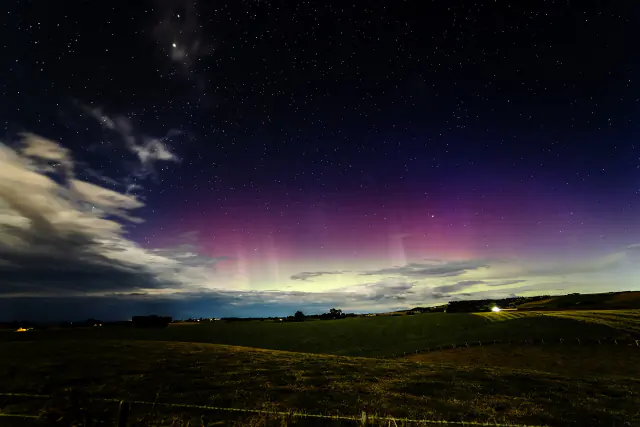
Kuujjuaq offers aurora viewing at the edge of the world — where the Koksoak River meets vast subarctic tundra in Quebec's remote Nunavik region.
Aurora in Quebec's Far North
Kuujjuaq at 58.10°N sits comfortably within the auroral zone, requiring a KP index of just 3 for visible displays. As the administrative center of Nunavik — the Inuit homeland of northern Quebec — it offers an aurora experience deeply connected to Arctic culture and wilderness.
The region's subarctic tundra provides open, treeless landscapes ideal for wide-angle aurora viewing. The Koksoak River valley adds a dramatic element, with the broad river providing reflective surfaces during autumn and a vast white ice corridor in winter.
What sets Kuujjuaq apart is its virtually undiscovered status as an aurora destination. While Yellowknife and Whitehorse draw thousands of aurora tourists annually, Kuujjuaq sees very few, meaning you may have the northern lights entirely to yourself against some of the most remote and pristine landscapes in eastern North America.
Getting to Kuujjuaq and Practical Tips
Kuujjuaq is accessible by air only from Montreal via Air Inuit or Canadian North (approximately 3-hour flight). There are no roads connecting Nunavik to southern Quebec. Flights should be booked well in advance and can be costly.
Accommodation is limited to a few hotels and guesthouses, with the Auberge Kuujjuaq Inn being the primary option. Restaurants and services exist but are limited. Prices are high as all supplies arrive by air or seasonal sealift.
A local guide is highly recommended for aurora viewing excursions. Inuit guides provide invaluable knowledge of the terrain, weather patterns, and cultural context. Winter temperatures regularly drop below -30°C with Arctic wind chill, requiring full cold-weather gear.
Inuit Culture and the Northern Lights
Visiting Kuujjuaq offers the chance to experience Inuit aurora traditions firsthand. The northern lights hold deep significance in Inuit cosmology, and local elders share stories about the spirits believed to inhabit the dancing lights.
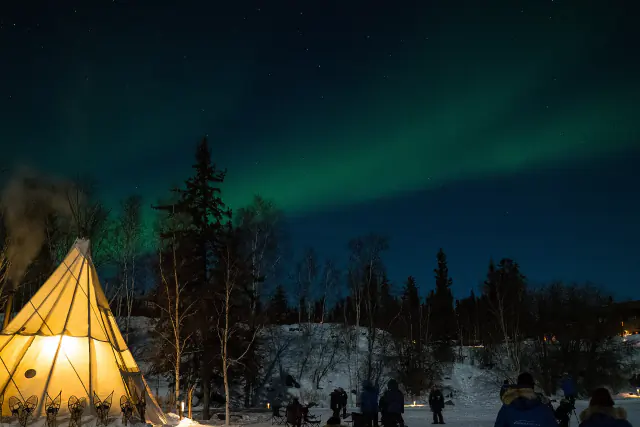
The community offers cultural experiences including traditional drum dancing, throat singing, and stories told under the aurora. Some local operators combine snowmobile excursions to remote viewing locations with cultural programming that contextualizes the aurora within thousands of years of Inuit observation and storytelling.
Visiting Kuujjuaq responsibly means respecting the community and its culture. Learn basic Inuktitut greetings, follow local customs, and support Inuit-owned businesses and guides. This approach ensures tourism benefits the community while providing visitors with a genuinely meaningful experience.
Plan the trip
Getting to Kuujjuaq
Aurora trips need three things booked together: a flight into the right airport, somewhere dark to stay, and usually a car, because the sky you get is the sky above wherever you can drive to that night.
Compare flightsLive fares into Kuujjuaq Airport (YVP), the closest airport to Kuujjuaq.
Affiliate links. Booking through them costs you nothing extra and helps keep this site running.
Borealis App
Aurora forecasts, social feed & Hunter Ranks
Frequently Asked Questions
Fly from Montreal via Air Inuit or Canadian North (about 3 hours). There are no roads to Kuujjuaq. Flights should be booked well in advance. Some connections are available through other Nunavik communities.
Basic infrastructure exists — a few hotels, restaurants, and shops. However, this is not a tourist town, so facilities are limited. The Auberge Kuujjuaq Inn is the main accommodation option. Expect high prices and limited selection for dining and shopping.
February and March offer the best balance of long nights and higher geomagnetic activity. October and November are also good, with the bonus of autumn tundra colors. January has the longest nights but can be brutally cold.
A local guide is strongly recommended for safety, cultural context, and accessing the best viewing locations. The tundra terrain and extreme cold can be dangerous for unprepared visitors. Inuit guides provide invaluable knowledge of the land and weather.
Related Articles
Destination
Northern Lights in Iqaluit
Iqaluit, the capital of Nunavut, sits on the shores of Frobisher Bay on Baffin Island. At nearly 64°N, this Inuit commun...
Destination
Northern Lights in Churchill
Churchill, Manitoba, is famous worldwide as the polar bear capital, but it is also one of Canada's finest aurora destina...
Destination
Northern Lights in Yellowknife
Yellowknife is widely regarded as the aurora capital of North America. Situated beneath the auroral oval, this Northwest...