Northern Lights Destination
Northern Lights in Bluff, New Zealand
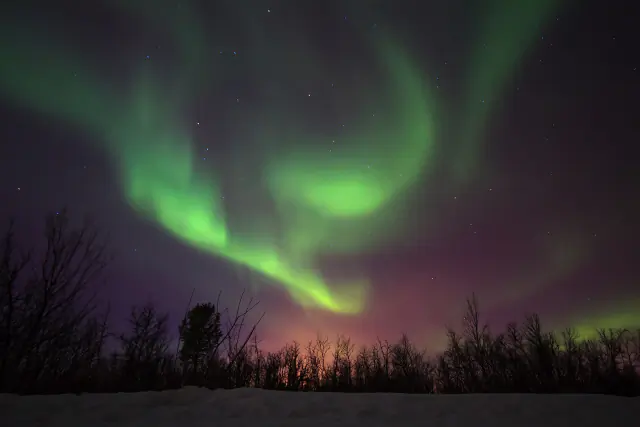
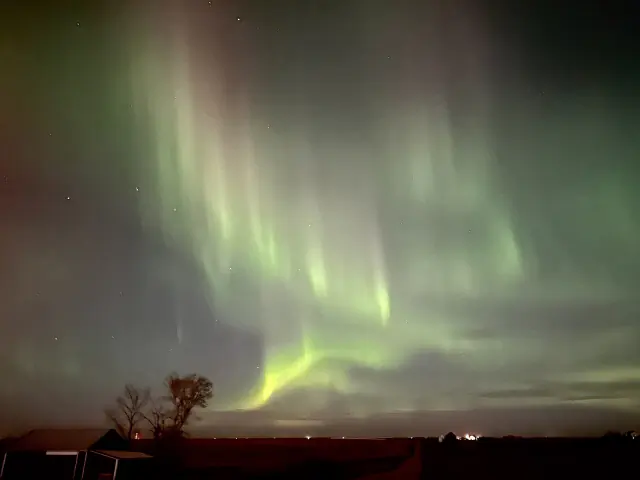
Bluff stands at the end of the road — where the South Island points toward Antarctica and the Foveaux Strait opens to the southern lights, offering one of the most genuinely end-of-world aurora experiences in New Zealand.
Aurora at the End of the South Island
Bluff at 46.6°S is the southernmost town on New Zealand's South Island mainland — a working port town of about 2,000 people that wears its end-of-the-road status with pride. The famous Stirling Point signpost here marks distances to destinations around the world, and stands as an iconic symbol of Bluff's position at the edge of the inhabited world.
Bluff's latitude of 46.6°S gives it a meaningful advantage over other South Island towns for aurora australis viewing. A KP index of 4 is generally sufficient for visible southern lights, and the town's position facing the open Foveaux Strait — the 35 km channel separating the South Island from Stewart Island — provides unobstructed southern sky access with no terrain interference.
The Foveaux Strait is a frequently rough stretch of water notorious among maritime travelers, but from shore it serves as a vast dark ocean window facing directly toward the aurora australis zone. On clear winter nights, the southern lights appear above the strait and Stewart Island's dark profile beyond, creating a quintessentially New Zealand southern lights vista. Monitor the aurora australis forecast for Southland conditions.
Best Aurora Viewing Spots at and Around Bluff
Stirling Point, the southernmost accessible point of the South Island road network, provides the peninsula's prime aurora viewing position. The famous signpost here (pointing to the South Pole, the equator, and world cities) makes an evocative aurora photography foreground. The point faces south across Foveaux Strait with no land interference until Stewart Island's dark profile.
The Bluff Hill Lookout provides elevated views over the strait from above the town. Accessible by a short walk or drive, the lookout offers panoramic views of the strait, the port, and the surrounding Southland countryside. This elevated position can place you above any sea-level haze or mist on calm nights.
The Foveaux Strait shoreline east of Stirling Point along the Bluff-Invercargill coastal road provides multiple stopping points with south-facing ocean views. These less-visited spots offer good dark conditions with varying foreground options. For even darker skies, Invercargill is 30 km north and Oreti Beach provides open south-facing coastal views. The Catlins coast east of Invercargill (accessible via Balclutha) provides remote lighthouse and coastal cliff positions. Our aurora photography guide can help prepare for coastal night photography conditions.
Best Time for Aurora Australis at Bluff
Bluff's aurora season runs from February through October, with the greatest potential during the Southern Hemisphere winter (May-August). At 46.6°S, meaningful darkness extends later into spring and arrives earlier in autumn than at more northerly South Island locations, providing a longer potential viewing window than Lake Tekapo or Queenstown.
The equinox periods of March and September consistently produce the most geomagnetic activity, and September in particular combines excellent aurora probability with increasingly long nights (heading into autumn). March is the transition out of summer — nights begin lengthening meaningfully, and the first good aurora events of the year often occur.
Southland's maritime climate brings frequent cloud and wind — the Foveaux Strait is notorious for unsettled weather. However, southerly cold fronts — which bring the worst weather during their passage — are often followed by clearing skies and enhanced geomagnetic activity simultaneously, creating sudden excellent aurora windows. Staying alert to weather and space weather simultaneously is the key to success here. See our best time to see guide for Southern Hemisphere aurora season details.
Getting to Bluff and Practical Information
Bluff is 30 km south of Invercargill along State Highway 1 — a straightforward 25-minute drive. Invercargill Airport (IVC) connects to Christchurch and Wellington via Air New Zealand. Rental cars are available in Invercargill, and the road to Bluff is straightforward and scenic. For Stewart Island, the Real Journeys ferry departs Bluff and takes one hour across the Foveaux Strait.
Accommodation in Bluff is very limited — a handful of motels and B&Bs serve the small community. Most aurora chasers use Invercargill as a base and drive to Bluff for viewing. Invercargill has a good selection of hotels, restaurants, and services for a comfortable base.
Bluff is primarily a working port and oyster industry town rather than a tourist destination — the famous Bluff oysters (dredged from the Foveaux Strait) are one of New Zealand's most prized delicacies, available in season (March-August, coinciding with aurora season). The Bluff Oyster and Food Festival in May is a popular event. The town's end-of-the-world atmosphere — wind, sea, working port, and the distant profile of Stewart Island — makes it one of New Zealand's most genuinely atmospheric aurora settings.
Plan the trip
Getting to Bluff
Aurora trips need three things booked together: a flight into the right airport, somewhere dark to stay, and usually a car, because the sky you get is the sky above wherever you can drive to that night.
Compare flightsLive fares into Invercargill Airport (IVC), the closest airport to Bluff.
Affiliate links. Booking through them costs you nothing extra and helps keep this site running.
Borealis App
Aurora forecasts, social feed & Hunter Ranks
Frequently Asked Questions
The Stirling Point signpost at the tip of Bluff's peninsula is one of New Zealand's most famous landmarks, marking the distances to various world destinations from the South Island's southernmost point. Signs point to the South Pole (4,810 km), the equator, and cities around the world. The signpost makes a famous aurora photography foreground.
Yes — Real Journeys operates the ferry between Bluff and Oban (Stewart Island) year-round. The crossing takes 1 hour. Stewart Island is New Zealand's premier aurora australis destination as a Dark Sky Sanctuary, and combining a Bluff aurora visit with a Stewart Island stay is an excellent Southern Lights itinerary.
Bluff as a standalone aurora destination has limited appeal due to minimal facilities, but as part of a broader Southland aurora itinerary — combining Invercargill, Oreti Beach, and Stewart Island — it adds the southernmost South Island position and iconic Stirling Point foreground. Most visits are a short detour from Invercargill.
Bluff oysters (Ostrea chilensis) are a native flat oyster harvested from the Foveaux Strait. They are considered among New Zealand's finest seafood and are available from about March to August — the same period as aurora season. Many visitors combine aurora watching with enjoying these seasonal delicacies in Bluff or Invercargill.
Bluff offers a slightly more southerly position (46.6°S vs 46.4°S for Invercargill) and the key advantage of the Foveaux Strait's open southern horizon — ideal for watching the aurora australis develop over open water. Invercargill has more accommodation and services. Most aurora chasers use Invercargill as a base and drive to Bluff for optimal viewing positions.
Related Articles
Destination
Northern Lights in Invercargill
Invercargill is the southernmost city in New Zealand and one of the southernmost cities in the world. Its position at 46...
Destination
Northern Lights in Stewart Island
Stewart Island (Rakiura) is New Zealand's best location for witnessing the aurora australis. The island's name in Maori ...
Destination
Northern Lights in Dunedin
Dunedin, the 'Edinburgh of the South,' is a cultured university city on New Zealand's South Island east coast. Its south...