Northern Lights Destination
Northern Lights in Wanaka, New Zealand
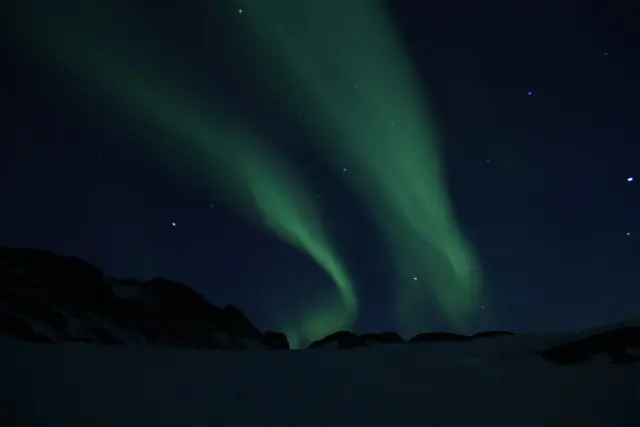
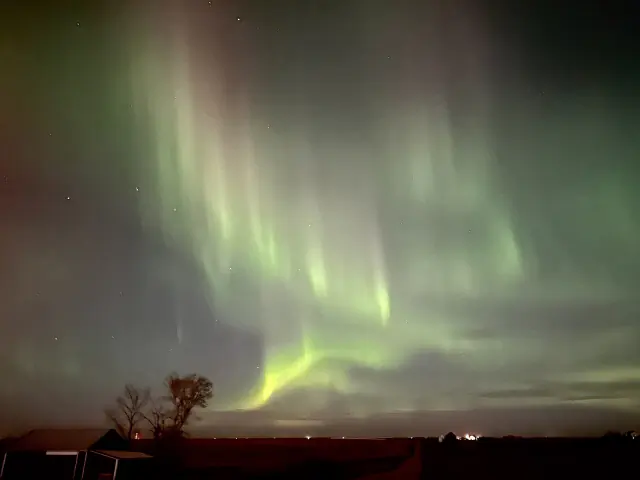
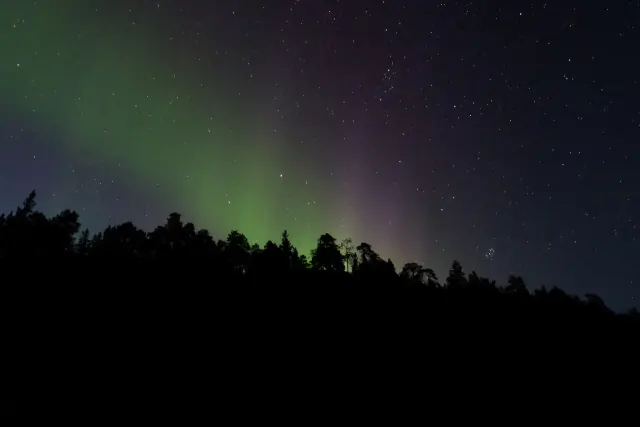
Lake Wanaka's dark mountain-framed shores and the towering Southern Alps provide a spectacular stage for the aurora australis — with the added convenience of excellent transport links to Queenstown.
Aurora Australis at Lake Wanaka
Wanaka at 44.7°S sits at a slightly higher southern latitude than Queenstown, within the Southern Lakes region of New Zealand's South Island. Lake Wanaka, one of New Zealand's most beautiful glacial lakes, provides a large, dark reflective surface for aurora australis displays, with the surrounding Southern Alps rising dramatically on all sides. A KP index of 4 produces visible aurora australis at this latitude — requiring somewhat less solar activity than the more northerly Queenstown.
The town of Wanaka has maintained a more relaxed, community-focused character than Queenstown, despite growing as a tourist destination. Its aurora viewing infrastructure is naturally oriented around the lake — accessible beaches and foreshore areas provide dark viewing spots within walking distance of most accommodation, while secondary roads quickly reach darker rural territory in the Wanaka and Hawea valleys.
Wanaka is the gateway to Mount Aspiring National Park, a UNESCO World Heritage Site, and the Haast Pass road west. Both directions offer increasingly wild and dark landscapes for aurora viewing as you move away from the town. The Southern Lakes region's continental inland climate delivers more clear nights than coastal South Island locations — a significant advantage for aurora chasing. Monitor the aurora australis forecast regularly during your stay.
Best Aurora Viewing Spots Around Wanaka
The Wanaka waterfront — particularly the area around the famous lonely Wanaka tree (a willow growing from the lake) — provides iconic New Zealand foreground for aurora photography. On calm nights, the lake's still surface mirrors the southern lights, the mountains, and the tree in compositions that have become quintessentially New Zealand.
Roys Peak Track, a popular daytime hike above Wanaka, provides elevated viewpoints accessible by walking with a head torch. The elevated positions on the lower slopes give unobstructed views of the southern sky above the lake and the surrounding mountain panorama. Glendhu Bay west of Wanaka offers a less-visited lakeside setting with excellent dark sky conditions and the Southern Alps as backdrop.
The Wanaka Airport area northeast of town provides flat, open terrain with good northern and southern sky access. Hawea Flat along the Clutha River corridor south of the town provides agricultural plain viewing with minimal light pollution. The road toward Makarora and the Haast Pass extends into Mount Aspiring National Park, reaching genuinely wilderness-level darkness within 30-40 minutes of Wanaka. Our aurora photography guide provides tips for lake reflection aurora compositions.
Best Time to See Aurora Australis at Wanaka
The aurora australis season in Wanaka runs from March through September, the Southern Hemisphere's aurora-active season when nights are long enough for dark sky conditions. The equinox periods of March and September bring statistically elevated geomagnetic activity, making these two months particularly productive for aurora viewing.
April through August provides the longest nights, with June and July offering up to 13 hours of darkness at this latitude. The Wanaka/Otago inland climate is generally favourable for clear skies compared to coastal regions — the area sits in the rain shadow of the Southern Alps, receiving less precipitation than Queenstown or the west coast, which translates to more clear-night opportunities during aurora alerts.
Winter temperatures in Wanaka reach -5°C to -10°C on cold nights — cold but entirely manageable with proper layering. Wanaka's ski area (Treble Cone) operates through the winter, making it a natural destination for combining aurora viewing with skiing during the same trip. Consult our best time to visit guide for Southern Hemisphere aurora planning.
Getting to Wanaka and Practical Tips
Wanaka Airport (WKA) has limited scheduled service, with Air New Zealand Link operating connections from Christchurch on some schedules. Most visitors use Queenstown Airport (ZQN), approximately 70 km southeast via the Crown Range Road (the highest sealed road in New Zealand) or the longer but easier Kawarau Gorge route. Car hire in Queenstown is readily available.
Wanaka offers excellent accommodation ranging from lakefront holiday parks and hostels to boutique hotels and self-contained apartments. The town's dining scene has grown significantly in recent years, with good restaurants and cafes available year-round. Wanaka's outdoor equipment shops can supply any cold-weather gear or photography accessories you may have forgotten.
For the most flexibility in aurora chasing, staying at least 3 nights allows you to take advantage of clear windows that may open and close quickly. Download the aurora australis app and set up alerts at KP 4. The Crown Range Road providing the fastest Queenstown link can be icy or closed in winter — check road conditions before driving at night.
Plan the trip
Getting to Wanaka
Aurora trips need three things booked together: a flight into the right airport, somewhere dark to stay, and usually a car, because the sky you get is the sky above wherever you can drive to that night.
Compare flightsLive fares into Queenstown Airport (ZQN), the closest airport to Wanaka.
Affiliate links. Booking through them costs you nothing extra and helps keep this site running.
Borealis App
Aurora forecasts, social feed & Hunter Ranks
Frequently Asked Questions
Wanaka offers slightly darker skies than Queenstown (less tourist development, smaller population) and a comparable or slightly better latitude. The Wanaka tree foreground is iconic for aurora photography. Both are excellent southern lights destinations — many aurora chasers combine both on a single trip.
The 'Wanaka tree' is a solitary willow tree growing from the shallow lake bed near Wanaka's waterfront. It has become one of New Zealand's most photographed subjects, particularly for aurora photography where its distinctive silhouette against the southern lights and lake reflections creates iconic compositions.
The fastest route is the Crown Range Road over the highest sealed pass in New Zealand — spectacular in daylight, but caution required in winter at night due to ice. Allow 1 hour. The alternative via Cromwell and the Kawarau Gorge takes about 1.5 hours but is easier in winter conditions.
The austral winter months (April-August) offer the longest and darkest nights, with June-August providing maximum darkness. March and September align with the equinox, bringing elevated geomagnetic activity. Any clear night from March to September with KP 4+ has aurora potential.
During stronger events (KP 5+), the aurora can be visible from the Wanaka waterfront area, which is naturally quite dark given the lake frontage and limited street lighting. For the best experience including fainter aurora structures and colors, drive toward Glendhu Bay or the Makarora road for darker conditions.
Related Articles
Destination
Northern Lights in Queenstown
Queenstown, New Zealand's adventure capital, offers the chance to witness the aurora australis above some of the most dr...
Destination
Northern Lights in Aoraki/Mount Cook
Aoraki/Mount Cook National Park, home to New Zealand's highest peak and one of the country's three Gold-tier Dark Sky Re...
Destination
Northern Lights in Lake Tekapo
Lake Tekapo sits at the heart of the Aoraki Mackenzie International Dark Sky Reserve, one of the largest dark sky reserv...