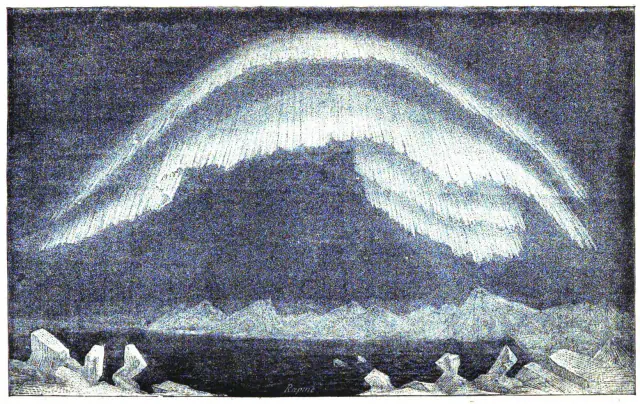
Northern Lights Destination
Northern Lights in Lofoten, Norway
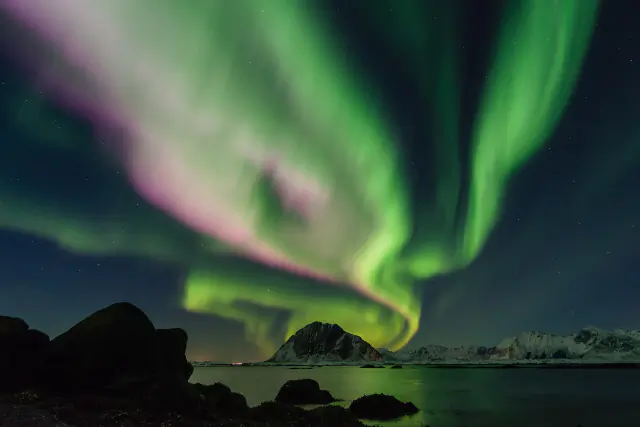
Witness the aurora borealis dancing above the dramatic peaks and fishing villages of the Lofoten Islands - one of the most photographed aurora destinations on Earth.
Lofoten: Where Aurora Meets Dramatic Scenery
The Lofoten Islands are an archipelago stretching over 100 km off the northwest coast of Norway, well above the Arctic Circle at 68°N latitude. What makes Lofoten extraordinary for northern lights isn't just its position within the auroral zone - it's the jaw-dropping scenery that frames every display. Jagged granite peaks rise straight from the Norwegian Sea, traditional red rorbuer (fishermen's cabins) dot the shoreline, and pristine white sand beaches create foregrounds that photographers dream about.
Unlike inland destinations where flat terrain can make aurora photos look generic, every aurora image from Lofoten is unique. The islands' complex coastline means you can always find a composition with mountains, sea, and sky working together. The relatively mild maritime climate (averaging -1°C to -5°C in winter) makes extended outdoor viewing sessions more comfortable than many alternatives at this latitude.
Aurora is visible here from September through early April, with only a KP index of 2 needed for activity. Check our aurora forecast to time your visit during active periods.
Top Aurora Viewing Locations in Lofoten
Lofoten's light pollution is minimal across most of the archipelago, but certain locations stand out for their combination of dark skies and stunning scenery:
Hamnoy Bridge: Perhaps the most iconic aurora photography location in all of Lofoten. The red rorbuer cabins with the mountain Festhelltinden rising behind create a composition that has graced countless magazine covers. The bridge offers unobstructed views in multiple directions.
Reine: Often called the most scenic village in Norway, Reine offers panoramic views of surrounding peaks reflected in the still waters of Reinefjorden. The village provides multiple shooting angles and dark skies just steps from your accommodation.
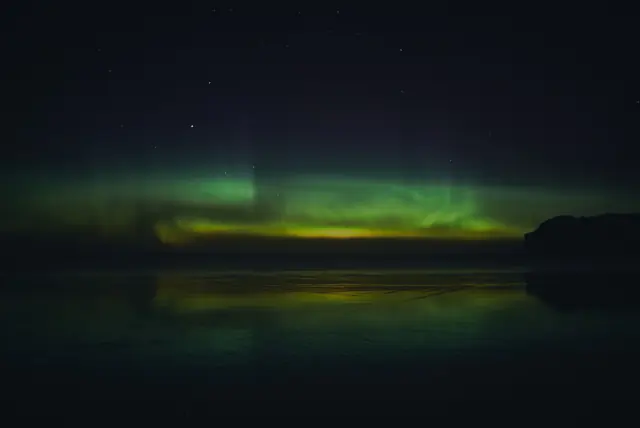
Uttakleiv Beach: This white sand beach on the outer coast faces northwest, giving you open ocean views with dramatic rock formations in the foreground. The aurora reflecting off the wet sand at low tide is a sight that will stay with you forever.
Gimsoya: The northernmost large island in the main Lofoten chain, Gimsoya offers wide open fields and beaches with very low light pollution. The Gimsoy Bridge area provides excellent vantage points.
Unstad Beach: Famous for Arctic surfing, this west-facing beach also delivers exceptional aurora viewing with dramatic mountain backdrops on both sides.
Best Time to See Northern Lights in Lofoten
Lofoten's aurora season runs from mid-September through March, with each period offering unique characteristics:
September-October: Autumn colors in the mountains add an extra dimension to the landscape. Nights are getting longer, but you still have daylight for exploring and hiking. September can be wet, but October often brings more stable weather.
November-January: The darkest months provide the longest viewing windows. Lofoten doesn't experience complete polar night like Tromso, but the sun barely skims the horizon, giving only a few hours of blue twilight. Storms can bring dramatic skies, but also many cloudy nights - patience is rewarded.
February-March: Many photographers consider this the sweet spot. The returning light illuminates the mountain peaks in soft pastels during the day, while nights are still long enough for aurora viewing. Weather tends to be more stable, and the cod fishing season (Lofotfisket) brings traditional culture alive.
Consult our best time to see the northern lights page and the aurora calendar for detailed planning.
Getting to and Around Lofoten
Getting There: The most common approach is flying to Bodo (BOO) or Harstad/Narvik (EVE), then taking a connecting flight to Svolvaer (SVJ) or Leknes (LKN). You can also take the spectacular ferry from Bodo to Moskenes (3.5 hours) or drive across from the mainland via the E10 highway.
Getting Around: A rental car is virtually essential in Lofoten. The E10 highway connects all the main islands via bridges and tunnels, creating a single route from Svolvaer in the east to A i Lofoten in the west. The driving distances are modest (about 170 km end to end) but winter roads demand careful driving.
Accommodation: Traditional rorbuer provide the authentic Lofoten experience - cozy wooden cabins right on the waterfront, many with their own private dock. Book well in advance for peak aurora season. Options range from basic to luxury, with prices from 800-3000 NOK per night.
Weather: Lofoten's maritime climate means weather changes rapidly. Always have a backup plan and be prepared to drive to the other end of the archipelago to find clear skies. The mountains create localized weather patterns, so one village can be cloudy while another 30 minutes away is crystal clear.
Photography Tips: Wide-angle lenses (14-24mm) are ideal for capturing both the landscape and the sky. Visit our aurora photography guide for camera settings and composition techniques specific to landscape aurora photography.
Plan the trip
Getting to Lofoten
Aurora trips need three things booked together: a flight into the right airport, somewhere dark to stay, and usually a car, because the sky you get is the sky above wherever you can drive to that night.
Compare flightsLive fares into Leknes Airport (LKN), the closest airport to Lofoten.
Affiliate links. Booking through them costs you nothing extra and helps keep this site running.
Borealis App
Aurora forecasts, social feed & Hunter Ranks
Frequently Asked Questions
Lofoten is one of the best places in the world for northern lights photography and viewing. At 68°N latitude, it sits within the auroral zone and needs only a KP index of 2 for aurora activity. The dramatic mountain and coastal scenery makes every display uniquely photogenic.
Fly to Bodo or Harstad/Narvik airports, then take a connecting flight to Svolvaer or Leknes. Alternatively, take the ferry from Bodo to Moskenes (3.5 hours) or drive via the E10 from the mainland. A rental car is essential for getting around the islands.
Reine and Hamnoy offer the most photogenic settings with traditional rorbuer cabins. Svolvaer is the largest town with the most services. Henningsvaer combines charm with good restaurants. For darkest skies, consider the outer villages like Uttakleiv or Unstad.
Yes, the aurora season starts in mid-September in Lofoten. While nights are shorter than in winter, the combination of autumn colors and aurora can be spectacular. Check the forecast and aim for dates around the new moon for darkest skies.
Despite being above the Arctic Circle, Lofoten has a relatively mild maritime climate. Winter temperatures average -1°C to -5°C, though wind chill can make it feel much colder, especially on exposed beaches. This is significantly warmer than inland Arctic destinations.
Related Articles
Destination
Northern Lights in Svolvaer
Svolvaer is the administrative capital of the Lofoten Islands and the gateway to the archipelago's northern reaches. Thi...
Destination
Northern Lights in Reine
Reine is widely considered the most beautiful village in Norway, with red rorbuer cabins perched beneath dramatic peaks ...
Destination
Northern Lights in Henningsvaer
Henningsvaer is a picturesque fishing village spread across several small islands at the foot of dramatic mountain walls...