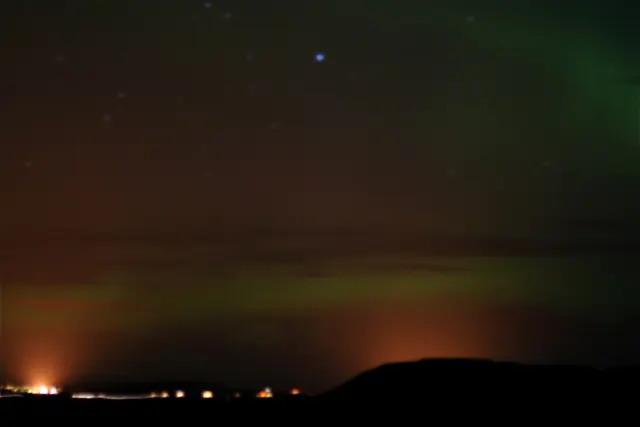
Northern Lights Destination
Northern Lights in Whitehorse, Canada
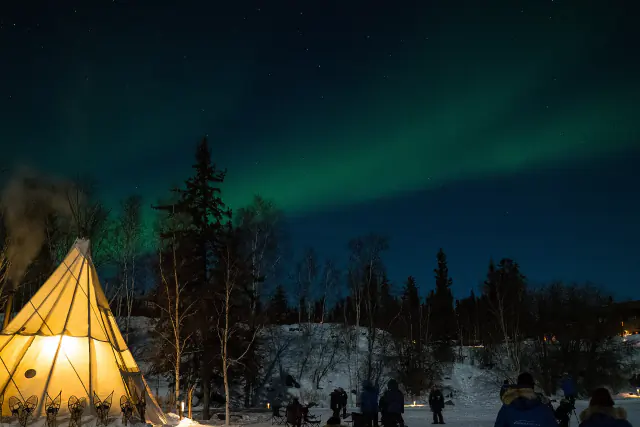
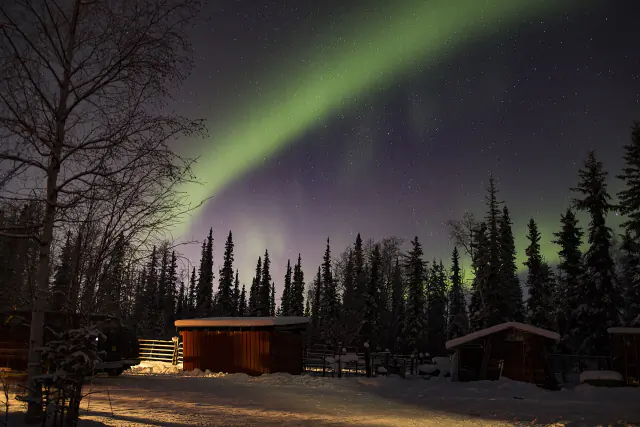
Whitehorse combines Yukon frontier charm with reliable aurora viewing, offering a welcoming northern base camp for chasing the northern lights across vast wilderness skies.
Why Whitehorse Is a Premier Aurora Destination
At 60.72°N latitude, Whitehorse sits well within the auroral zone, the belt of high aurora activity that circles the globe near the magnetic poles. The city's position in the Yukon interior means it experiences a drier continental climate compared to coastal destinations, translating to more clear nights during the critical winter aurora season.
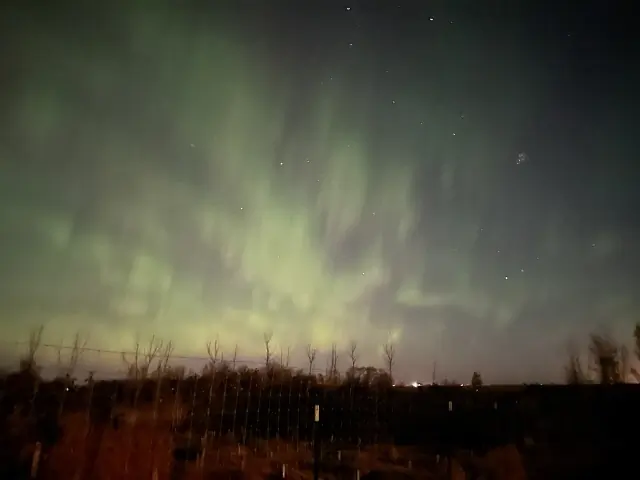
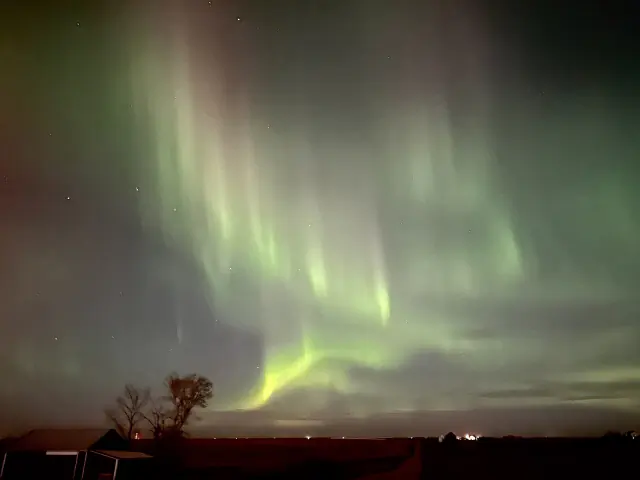
Whitehorse requires only a KP index of 2 for visible aurora, meaning even quiet geomagnetic conditions regularly produce green curtains dancing across the sky. During moderate to strong solar activity, displays can become truly breathtaking, with fast-moving curtains, coronas, and rare color combinations.
What sets Whitehorse apart from other aurora destinations is the combination of accessibility and wilderness. The city has an international airport with regular flights from Vancouver, excellent accommodation, and restaurants — yet within 20 minutes you can reach locations with virtually zero light pollution surrounded by boreal forest and frozen lakes.
When to Visit Whitehorse for Northern Lights
The aurora season in Whitehorse runs from late August through mid-April. The autumn months of September and October offer pleasant temperatures hovering around -5°C to 5°C, making extended outdoor viewing comfortable. These months also coincide with heightened geomagnetic activity around the autumn equinox.
The deep winter months from December through February deliver the longest nights, with up to 19 hours of darkness in late December. However, temperatures can drop to -30°C or lower, and the Yukon's famous temperature inversions can trap cloud and ice fog in the valley where the city sits.
Many experienced aurora chasers consider late February and March the sweet spot — darkness still lasts 12+ hours, temperatures begin moderating, and the spring equinox boost to geomagnetic activity kicks in. The combination of snow-covered landscapes and increasing daylight also makes this period ideal for combining aurora viewing with daytime outdoor activities like skiing, snowshoeing, and dog sledding.
Best Viewing Spots Near Whitehorse
Takhini Hot Springs Road north of the city is one of the most popular viewing corridors, offering open sky views and several pull-offs where photographers set up on clear nights. The hot springs themselves provide the unforgettable experience of soaking in warm mineral water while watching the aurora dance overhead.
Marsh Lake, about 45 minutes south of Whitehorse on the Alaska Highway, provides an enormous frozen surface that serves as a natural amphitheater for aurora displays. The lack of trees on the lake gives unobstructed 360-degree views, and the reflective ice can add a magical quality to photographs.
The Fish Lake Road area west of Whitehorse offers elevated viewpoints above the valley's potential cloud inversions. Carcross Desert, the world's smallest desert about an hour south, presents a unique and dramatic foreground for aurora photography with its sandy dunes against green skies.
For the most remote experience, the drive north on the Klondike Highway toward Carmacks takes you through vast uninhabited wilderness where light pollution is non-existent.
Aurora Tours and Activities in Whitehorse
Whitehorse's tour operators specialize in combining aurora viewing with uniquely Yukon experiences. Dog sledding under the northern lights is a signature activity, with several operators offering evening mushing excursions that pause at wilderness cabins for aurora viewing and hot chocolate by a wood stove.
Northern Tales and Arctic Range Adventure are among the city's most established aurora tour companies, offering nightly departures to prime viewing locations with heated shelters and warm refreshments. Some tours include wilderness photography instruction and the use of professional-grade tripods.
For a more independent experience, several outfitters offer aurora cabin rentals in remote locations outside the city. These cozy wilderness cabins come equipped with aurora alert systems that wake you when the lights appear, allowing you to simply step outside in your pajamas and look up.
The Yukon Wildlife Preserve north of Whitehorse occasionally offers special evening events combining wildlife viewing with aurora watching, an experience unique to the region.
Plan the trip
Getting to Whitehorse
Aurora trips need three things booked together: a flight into the right airport, somewhere dark to stay, and usually a car, because the sky you get is the sky above wherever you can drive to that night.
Compare flightsLive fares into Erik Nielsen Whitehorse International Airport (YXY), the closest airport to Whitehorse.
Affiliate links. Booking through them costs you nothing extra and helps keep this site running.
Borealis App
Aurora forecasts, social feed & Hunter Ranks
Frequently Asked Questions
Whitehorse is served by Erik Nielsen Whitehorse International Airport (YXY) with regular flights from Vancouver (2.5 hours). Air North, Yukon's airline, and WestJet operate year-round service. You can also drive the Alaska Highway from British Columbia, though winter driving requires experience and a well-equipped vehicle.
Both are excellent aurora destinations. Yellowknife has a slight statistical edge for clear skies and sits 2 degrees further north. Whitehorse offers a wider range of daytime activities, more dining options, and the unique appeal of the Yukon frontier culture. Many aurora enthusiasts visit both over time.
Yes, the aurora season begins in late August as darkness returns to the Yukon. The last week of August can produce visible displays after midnight. September offers significantly more darkness and is a much more reliable month for aurora viewing.
Layer up with thermal base layers, insulating mid-layers (fleece or down), and a windproof outer shell. Insulated boots rated to at least -30°C, thick mitts, a warm hat, and a neck gaiter are essential. Chemical hand and toe warmers provide extra comfort during long viewing sessions.
Displays vary enormously. A brief substorm might last 30 minutes, while an active night can produce shows lasting 4-6 hours or more. The most active period is typically between 10 PM and 2 AM local time, though aurora can appear at any time during dark hours.
Related Articles
Destination
Northern Lights in Yellowknife
Yellowknife is widely regarded as the aurora capital of North America. Situated beneath the auroral oval, this Northwest...
Destination
Northern Lights in Dawson City
Dawson City, the legendary Klondike Gold Rush town at the confluence of the Yukon and Klondike Rivers, offers some of th...
Destination
Northern Lights in Fairbanks
Fairbanks is the undisputed aurora capital of the United States. Located in interior Alaska at nearly 65°N, this city si...