Northern Lights Destination
Northern Lights in Russia
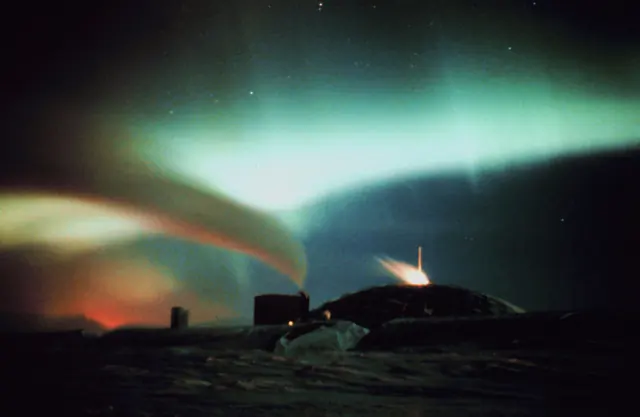
Russia's Kola Peninsula is the aurora world's raw diamond — unpolished, unexpectedly beautiful, and remarkably affordable. Murmansk, where the Soviet nuclear fleet once sheltered, now draws aurora hunters to witness the northern lights sweeping across the frozen Barents Sea coast and the hauntingly photogenic ghost village of Teriberka.
Aurora Viewing on Russia's Kola Peninsula
The Kola Peninsula, jutting into the Arctic Ocean in Russia's northwest corner, is one of the most underrated aurora destinations in the world. Murmansk (68.9°N) is the world's largest city above the Arctic Circle, with a population of nearly 300,000, yet it sits directly beneath the auroral oval in a position that rivals Tromso for aurora frequency.
What makes the Kola Peninsula distinctive is its dramatic juxtaposition of industrial decay and natural beauty. The region's Soviet-era military and industrial heritage creates unique photographic foregrounds — abandoned buildings, rusting ships, and concrete monuments set against pristine Arctic landscapes. The ghost village of Teriberka, featured in the Oscar-nominated film "Leviathan," has become an iconic aurora photography destination where decrepit fishing boats and abandoned buildings create hauntingly beautiful compositions beneath the dancing lights.
Russia's Aurora Belt stretches across the Kola Peninsula from the Norwegian border to the White Sea, encompassing tundra, taiga forest, mountains (the Khibiny range), and coastline. This diversity of landscapes means you can experience aurora over frozen tundra one night and above a mountain lake the next, all within a few hours' drive.
Perhaps the greatest practical advantage of the Kola Peninsula is affordability. Russia is significantly cheaper than Scandinavia for accommodation, food, and tours. A guided aurora tour in Murmansk costs a fraction of equivalent experiences in Norway or Finland, making it an attractive option for budget-conscious aurora hunters.
Best Time for Northern Lights in Russia
The aurora season on the Kola Peninsula runs from September through March, aligning with other Arctic destinations. The polar night in Murmansk lasts from December 2 to January 11, providing continuous darkness for aurora viewing.
September and October offer mild temperatures (-2°C to -10°C), autumn colors in the taiga forest, and the equinox aurora boost. Cloud cover can be frequent in autumn, but breaks between weather systems reveal excellent aurora displays.
November through January brings polar night, extreme darkness, and the deepest cold (-15°C to -30°C). The combination of prolonged darkness and the Kola Peninsula's position within the auroral oval means aurora can appear at virtually any time of the polar night, from early afternoon to late morning.
February and March are widely considered optimal. Daylight returns for blue-hour photography, temperatures moderate, and the spring equinox enhances geomagnetic activity. March in particular offers long, cold, clear nights with statistically elevated aurora frequency.
The KP index requirements for the Kola Peninsula are minimal — KP 2-3 is sufficient for visible displays in Murmansk, and KP 1 can produce faint but visible activity. Check the aurora forecast for current conditions.
Where to See Northern Lights in Russia
Murmansk — The primary gateway and largest city. While the city itself has significant light pollution, the surrounding countryside offers excellent dark viewing locations within 30-60 minutes' drive. Tour operators offer guided excursions to prime spots along the Kola Bay, in the Lovozero tundra, and along the road to Teriberka. Murmansk also offers the Lenin nuclear icebreaker museum and the Alyosha monument as cultural diversions.
Teriberka — This partially abandoned fishing village on the Barents Sea coast, 120 km from Murmansk, has become the Kola Peninsula's most famous aurora photography location. The skeletal fishing boats, abandoned Soviet-era buildings, and dramatic coastline create foregrounds that photographers travel thousands of miles to capture. The drive from Murmansk crosses open tundra with excellent roadside viewing opportunities. Teriberka also offers the chance to see the open Arctic Ocean from the shore.
Apatity and the Khibiny Mountains — The small city of Apatity (population 56,000) sits at the base of the Khibiny mountain range, the highest mountains on the Kola Peninsula (up to 1,200 meters). The mountain lakes, including Lake Imandra (Russia's largest lake above the Arctic Circle), provide stunning aurora reflections. The Khibiny region is also a popular skiing and hiking destination, offering daytime activities alongside nighttime aurora viewing.
Practical Tips for Visiting Russia's Aurora Region
Visa requirements. Most foreign visitors require a visa to enter Russia. The process involves obtaining an invitation letter, applying at a Russian consulate, and allowing several weeks for processing. Check current visa requirements and travel advisories for your nationality before planning a trip, as regulations can change. Some nationalities may be eligible for e-visas or visa-free entry for short stays.
Language considerations. English is not widely spoken in Murmansk and the Kola Peninsula. Having a Russian-speaking guide or using translation apps is strongly recommended. Most aurora tour operators have English-speaking guides, but independent travel benefits greatly from basic Russian phrases and a translation app.
Getting there. Murmansk has an airport (MMK) with regular flights from Moscow (2.5 hours) and St. Petersburg (2 hours). The overnight train from St. Petersburg to Murmansk (approximately 24 hours) is a classic Russian rail journey. From Moscow, the train takes approximately 33 hours. There is no direct international air service to Murmansk from outside Russia.
Affordability. The Kola Peninsula is significantly cheaper than Scandinavian aurora destinations. Hotel rooms in Murmansk average 3,000-6,000 RUB per night ($30-$60 USD). Guided aurora tours cost 3,000-8,000 RUB ($30-$80 USD) per person. Restaurant meals average 500-1,500 RUB ($5-$15 USD). This makes Russia one of the most budget-friendly aurora destinations in the world.
Dress warmly and bring quality cold-weather gear. The Kola Peninsula's continental climate produces deep cold in midwinter. Temperatures of -20°C to -30°C require expedition-grade clothing. Tour operators may provide thermal suits, but bringing your own quality base layers and insulated boots is recommended.
Borealis App
Aurora forecasts, social feed & Hunter Ranks
Frequently Asked Questions
The Kola Peninsula itself is generally safe for tourists, with Murmansk being a functioning city with standard urban infrastructure. However, travelers should check current travel advisories for Russia from their government, as geopolitical situations can affect travel safety and visa availability. Using established tour operators and guides is strongly recommended.
Fly from Moscow (2.5 hours) or St. Petersburg (2 hours) to Murmansk Airport. The overnight train from St. Petersburg offers a scenic but long journey (24 hours). There are no direct international flights to Murmansk from outside Russia, so you will need to connect through a major Russian city.
Teriberka is a partially abandoned fishing village on the Barents Sea coast, 120 km from Murmansk. It gained international fame from the 2014 film 'Leviathan' and has since become a renowned aurora photography destination. The abandoned boats, derelict buildings, and dramatic Arctic coastline create uniquely atmospheric foregrounds for northern lights photography.
Murmansk averages -10°C to -15°C from December to February, with occasional dips to -25°C or below. The coastal influence moderates temperatures somewhat compared to inland locations, but wind chill from the Barents Sea can be severe. The Khibiny mountain region and inland areas are typically 5-10°C colder than Murmansk city.
For travelers who can obtain Russian visas, Murmansk offers comparable aurora frequency at a fraction of the cost. The aurora experience is raw and authentic, without the polished tourism infrastructure of Norway. Photography opportunities, particularly in Teriberka, are extraordinary. However, the language barrier, visa requirements, and less developed tourism infrastructure make it more challenging for independent travelers.
Related Articles
Destination
Northern Lights in Norway
Norway is the world's premier aurora borealis destination, offering dramatic Arctic landscapes, well-developed tourism i...
Destination
Northern Lights in Finland
Finland's Lapland region is a magical aurora borealis destination where vast Arctic wilderness, Sami culture, glass iglo...
Destination
Northern Lights in Sweden
Swedish Lapland offers a serene and authentic Arctic aurora experience, anchored by the legendary Abisko National Park —...