Northern Lights Destination
Northern Lights in Teriberka, Russia
Teriberka is where the northern lights meet the Barents Sea — a hauntingly beautiful Arctic village where abandoned ships and crashing waves create Russia's most atmospheric aurora setting.
Aurora Above the Barents Sea
Teriberka at 69.16°N sits on the shore of the Barents Sea, the only section of Russia's Arctic coast that remains ice-free year-round thanks to the Gulf Stream. This unique position means aurora viewing here combines with the sound of Arctic Ocean waves — a sensory experience found in very few places on Earth.
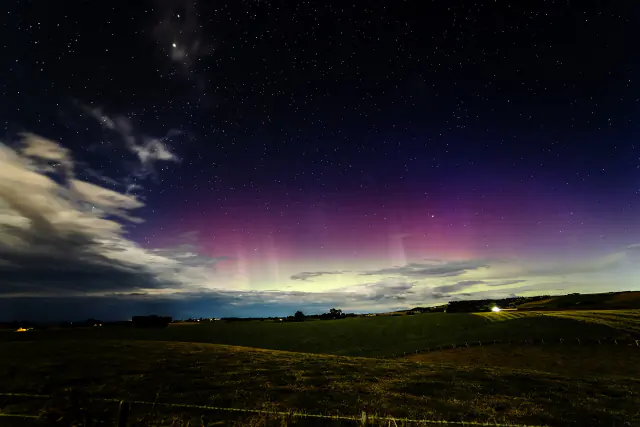
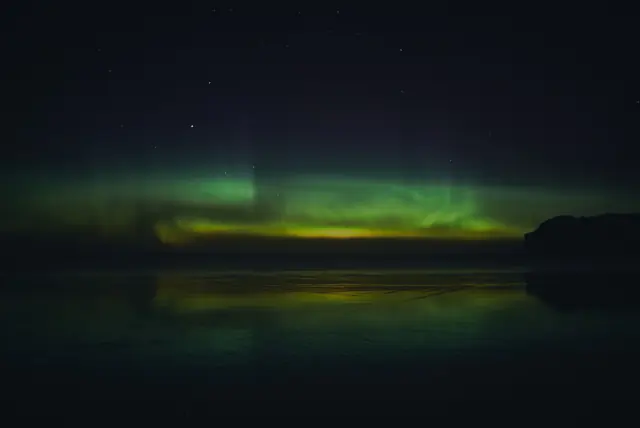
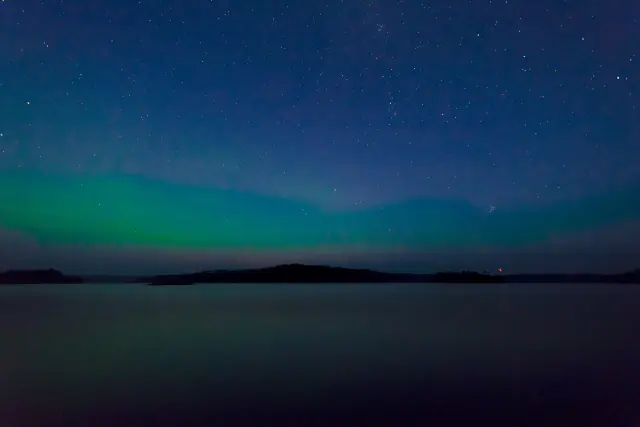
At this latitude, only a KP index of 2 is needed for visible displays. The village's tiny population (about 800) and remote coastal position mean virtually zero light pollution. The aurora frequently appears directly overhead, sometimes reflecting in the dark sea waters with the Barents Sea stretching to the horizon.
Teriberka gained international recognition through Andrey Zvyagintsev's 2014 film Leviathan, which used the village's stark landscape as a backdrop for its story. The film brought attention to Teriberka's haunting beauty — abandoned Soviet-era buildings, beached ships, and rugged coastline create an atmosphere unlike any other aurora destination.
Where to View Aurora in Teriberka
The abandoned ship graveyard in the old village provides the most iconic Teriberka aurora composition. Rusting fishing vessels beached on the shore create powerful foreground subjects, their silhouettes stark against the dancing green sky.
The Barents Sea beach with its smooth egg-shaped boulders (known as Dragon Eggs beach) offers a unique coastal viewing platform. The waterfall cascading directly into the sea provides another dramatic foreground, frozen into ice formations in winter.
The tundra hills above the village provide elevated 360-degree viewpoints. Walking just minutes from the village in any direction puts you in pristine darkness with the aurora overhead and the sound of the Arctic Ocean below.
Getting to Teriberka
Teriberka is approximately 130 km from Murmansk on a road that was only paved in recent years. The drive takes about 2.5 hours. Several tour operators from Murmansk offer day and overnight trips to Teriberka, which is the easiest way to visit. Some visitors rent a car in Murmansk.
Accommodation in Teriberka has grown with its rising popularity — guesthouses, a hotel, and rental apartments are available, though options remain limited. A few restaurants serve fresh seafood including local Arctic specialties like king crab.
The road to Teriberka can be challenging in winter — blizzards can close it temporarily, and whiteout conditions occur. Travel with a full tank, warm clothing, and emergency supplies. The village itself is walkable, with all main viewpoints within walking distance.
Plan the trip
Getting to Teriberka
Aurora trips need three things booked together: a flight into the right airport, somewhere dark to stay, and usually a car, because the sky you get is the sky above wherever you can drive to that night.
Compare flightsLive fares into Murmansk Airport (MMK), the closest airport to Teriberka.
Affiliate links. Booking through them costs you nothing extra and helps keep this site running.
Borealis App
Aurora forecasts, social feed & Hunter Ranks
Frequently Asked Questions
Teriberka gained international fame through the 2014 film Leviathan by director Andrey Zvyagintsev. The village's dramatic Barents Sea coastline, abandoned buildings, and stark beauty have also made it a popular destination for photographers and aurora seekers.
Drive or take a tour (2.5 hours, 130 km). The road is now paved but can be treacherous in winter storms. Multiple tour operators in Murmansk offer day trips and overnight excursions, which are recommended for first-time visitors.
Absolutely. The combination of Arctic Ocean coastline, abandoned ship graveyard, unique rock formations, and pristine dark skies at 69°N creates one of the most atmospheric aurora viewing experiences in the world. It's a photographer's paradise.
Teriberka's coastal position means milder temperatures than inland (-5°C to -15°C) but strong winds and frequent storms from the Barents Sea. Weather can change rapidly. The Gulf Stream keeps the coast ice-free, creating the unusual phenomenon of open ocean at Arctic latitudes in winter.
Related Articles
Destination
Northern Lights in Murmansk
Murmansk is the world's largest city above the Arctic Circle, with a population of nearly 300,000. Located on the Kola P...
Destination
Northern Lights in Apatity
Apatity, a small city in the heart of the Kola Peninsula, serves as a practical base for aurora viewing surrounded by th...
Destination
Northern Lights in Teriberka
Teriberka, a remote fishing village on the Barents Sea coast, gained international fame through the film Leviathan and h...