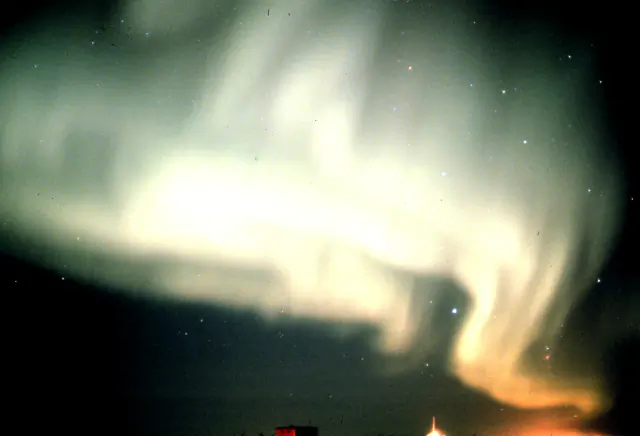
Northern Lights Destination
Northern Lights in Isle of Skye, Scotland
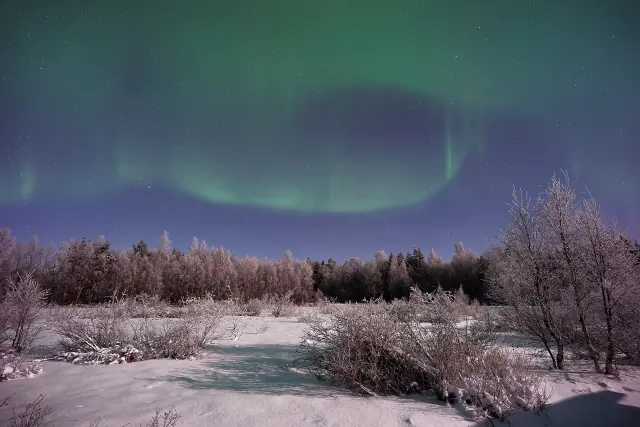
On the Isle of Skye, the northern lights dance above the Cuillin mountains and medieval castles — Scotland's most dramatic landscape becomes a stage for nature's greatest light show.
Aurora Over Scotland's Most Dramatic Island
The Isle of Skye at 57.27°N sits at the same latitude as the Cairngorms but benefits from the island's isolated position off Scotland's northwest coast. Light pollution on Skye is minimal — the island's small population and scattered settlements mean dark skies are accessible from almost anywhere.
What makes Skye extraordinary for aurora viewing is the landscape. The jagged Cuillin mountain ridge, the otherworldly Old Man of Storr, fairy pools, and sea cliffs provide foregrounds that transform aurora photography into fine art. Castles like Eilean Donan (on the approach to Skye) and Dunvegan Castle on the island add romantic historical elements.
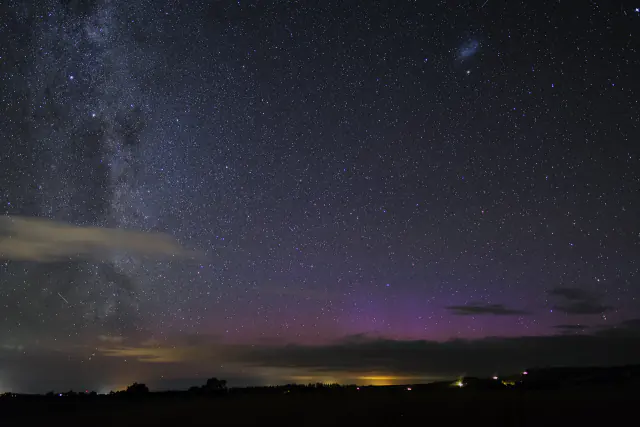
Like all Scottish locations, Skye requires a KP index of 5 or higher for reliable aurora viewing, but the island's northern exposure and unobstructed ocean horizons can sometimes reveal faint aurora at slightly lower levels, particularly as green glows above the northern sea horizon.
Best Aurora Viewing Spots on Skye
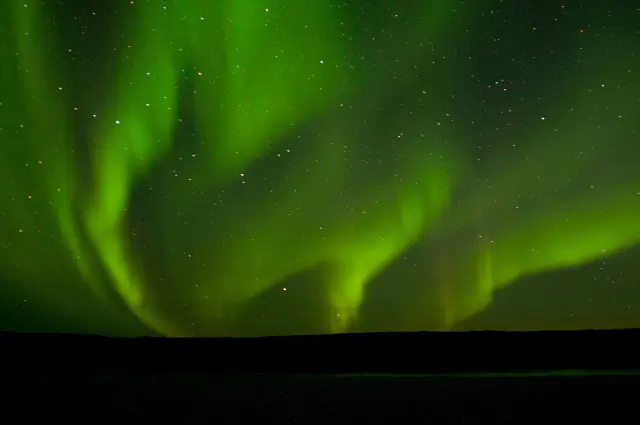
The Old Man of Storr on the Trotternish Peninsula provides one of Scotland's most iconic aurora compositions — the ancient basalt pinnacle silhouetted against curtains of green light. The car park provides accessible views, with the short hike to the base of the Storr adding dramatic foreground options.
Neist Point Lighthouse on the island's westernmost tip offers a spectacular ocean-facing viewpoint where aurora can appear above the Atlantic. The lighthouse itself makes a powerful photographic subject. Elgol on the southern coast provides views across Loch Scavaig to the Cuillin mountains.
Sligachan Bridge, the old stone bridge over the River Sligachan, is another classic aurora photography location with the Cuillin range as backdrop. The Quiraing on the Trotternish ridge and Fairy Glen near Uig offer otherworldly landscapes that become positively magical under aurora light.
Getting to Skye and Viewing Tips
Skye is connected to the mainland by the Skye Bridge at Kyle of Lochalsh, about 2.5 hours from Inverness. A ferry also runs from Mallaig to Armadale on Skye's southern tip. The nearest airports are Inverness (2.5 hours) and Glasgow (5 hours).
Accommodation on Skye ranges from boutique hotels and B&Bs to self-catering cottages and hostels. Portree is the main town with the most services. Book well in advance even in winter, as Skye's popularity means accommodation fills quickly year-round.
The island's maritime climate brings frequent rain and cloud. Average winter temperatures are mild (2°C to 7°C) but wind and rain are persistent. Waterproof clothing and sturdy footwear are essential. When aurora alerts trigger, check Skye's cloud cover and be willing to drive across the island to find clear patches — conditions can vary dramatically between the island's east and west coasts.
Plan the trip
Getting to Isle of Skye
Aurora trips need three things booked together: a flight into the right airport, somewhere dark to stay, and usually a car, because the sky you get is the sky above wherever you can drive to that night.
Compare flightsLive fares into Inverness Airport (INV), the closest airport to Isle of Skye.
Affiliate links. Booking through them costs you nothing extra and helps keep this site running.
Borealis App
Aurora forecasts, social feed & Hunter Ranks
Frequently Asked Questions
Yes, the northern lights are visible from Skye during moderate to strong geomagnetic events (KP 5+). The island's dark skies and dramatic scenery make it one of Scotland's most rewarding aurora locations. However, cloud cover is frequent, so plan multiple nights and monitor weather closely.
The Old Man of Storr and Neist Point Lighthouse are the most popular aurora photography locations. Elgol, Sligachan Bridge, and the Quiraing offer alternative compositions. The best spot on any given night depends on cloud cover — be flexible and willing to drive.
October through February offers the longest nights. The equinox periods (late September and late March) have the highest geomagnetic activity statistically. Cloud cover is somewhat less persistent in spring, making February and March popular for combining dark hours with slightly better weather odds.
Absolutely. Winter Skye is atmospheric, uncrowded, and beautiful in a stark, dramatic way. The short days and long nights are ideal for aurora viewing, and the winter light creates stunning photography conditions during the day. Just prepare for cold, wind, and rain.
Related Articles
Destination
Northern Lights in Cairngorms
The Cairngorms National Park in the Scottish Highlands is Britain's largest national park and one of the best places in ...
Destination
Northern Lights in Orkney
The Orkney Islands, lying just off Scotland's northeast tip, are among the best places in the UK to see the northern lig...
Destination
Northern Lights in Shetland
The Shetland Islands at 60°N are the most northerly part of the United Kingdom and the best location in Britain for seei...