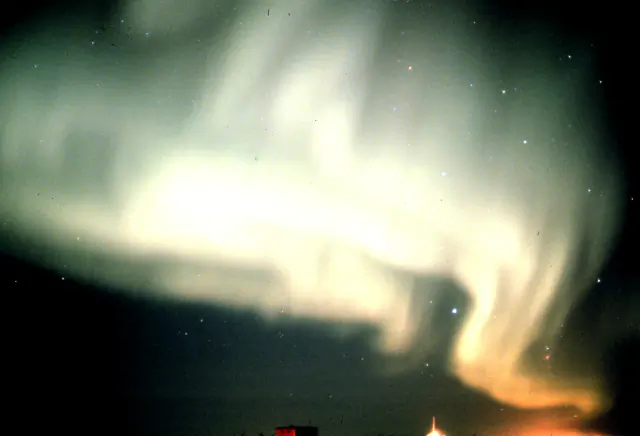
Northern Lights Destination
Northern Lights in Orkney, Scotland
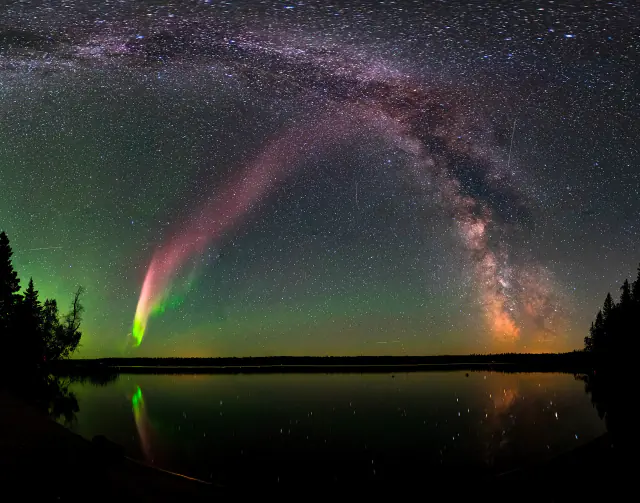
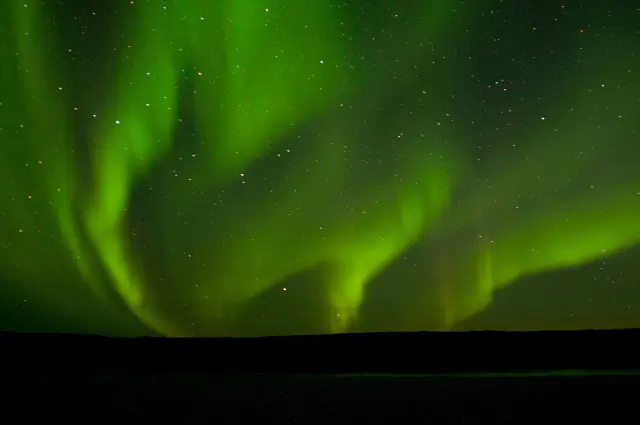
In Orkney, the northern lights dance above 5,000-year-old standing stones and vast Atlantic seascapes — where Neolithic heritage meets the aurora in Britain's northern isles.
Why Orkney Is Among the UK's Best Aurora Spots
Orkney at 58.98°N sits further north than most of Scotland, nearly as far north as Stavanger in Norway. This latitude reduces the KP threshold to approximately 4, meaning aurora becomes visible during more moderate geomagnetic activity than mainland Scotland requires.
The islands are essentially treeless, providing completely unobstructed horizons in every direction. The surrounding ocean amplifies this openness — standing on Orkney's cliffs, you have views from the Atlantic to the North Sea with nothing between you and the aurora but open air.
Orkney's Neolithic heritage adds an extraordinary dimension to aurora viewing. Standing stones that are 5,000 years old provide foreground subjects that connect the celestial display to deep human history. It's tempting to imagine ancient Orcadians watching the same lights above these same stones millennia ago.
Best Aurora Viewing on Orkney
Ring of Brodgar, a Neolithic stone circle dating to approximately 2500 BC, is the most iconic aurora photography location in Orkney. The ring of standing stones against a backdrop of green aurora is one of the most powerful images possible in British aurora photography.
Skara Brae, the remarkably preserved Neolithic village on the Bay of Skaill, offers another ancient foreground for aurora shots. The Brough of Birsay, a tidal island with Norse and Pictish ruins, provides a dramatic coastal setting accessible at low tide.
The Churchill Barriers connecting the southern islands provide long, straight causeways with open ocean on both sides — excellent for panoramic aurora viewing. Yesnaby Cliffs on the west coast offer dramatic sea stack formations against aurora-lit skies. The Italian Chapel on Lamb Holm makes a unique and poignant foreground subject.
Getting to Orkney and Planning Tips
Kirkwall Airport on Orkney Mainland receives flights from Edinburgh, Aberdeen, Glasgow, and Inverness via Loganair. NorthLink Ferries operate daily sailings from Scrabster (near Thurso) to Stromness (90 minutes) and from Aberdeen to Kirkwall (6 hours overnight). Pentland Ferries also run from Gills Bay to St Margaret's Hope.
Accommodation on Orkney includes hotels, B&Bs, self-catering cottages, and hostels. Kirkwall and Stromness are the main towns with services and restaurants. Winter is quiet season with fewer visitors, making it easier to find accommodation but some attractions may have limited hours.
Orkney winters are mild but windy. Temperatures rarely drop below freezing (2°C to 7°C) due to the Gulf Stream influence, but wind speeds can be extreme. Waterproof and windproof clothing is more important than extreme cold-weather gear. The islands are compact and easily explored by car — distances between viewing spots are short.
Plan the trip
Getting to Orkney
Aurora trips need three things booked together: a flight into the right airport, somewhere dark to stay, and usually a car, because the sky you get is the sky above wherever you can drive to that night.
Compare flightsLive fares into Kirkwall Airport (KOI), the closest airport to Orkney.
Affiliate links. Booking through them costs you nothing extra and helps keep this site running.
Borealis App
Aurora forecasts, social feed & Hunter Ranks
Frequently Asked Questions
Orkney sees aurora more frequently than mainland Scotland due to its higher latitude. During active solar periods, aurora may be visible several times per month from October through March. During solar minimum, expect 5-15 visible events per season. AuroraWatch UK alerts are essential.
Yes, the Ring of Brodgar is accessible at all times (it's a free-to-access site). The stone circle makes an extraordinary aurora photography subject. Use a wide-angle lens and tripod, and arrive early on aurora-alert nights to set up your composition before others arrive.
Shetland, being further north, has a slight latitude advantage and sees aurora at slightly lower KP levels. Orkney offers more dramatic Neolithic foreground subjects (standing stones, ancient villages) and easier access from mainland Scotland. Both are excellent choices.
Orkney offers rich cultural and natural attractions year-round: Neolithic UNESCO World Heritage sites, cathedral visits, distillery tours, wildlife watching (seals, sea birds), and exploring the islands' fascinating World War history including Scapa Flow. The quiet winter season provides a contemplative atmosphere.
Related Articles
Destination
Northern Lights in Shetland
The Shetland Islands at 60°N are the most northerly part of the United Kingdom and the best location in Britain for seei...
Destination
Northern Lights in Caithness
Caithness, at the northeastern tip of the Scottish mainland, offers excellent aurora viewing from Britain's most norther...
Destination
Northern Lights in Cairngorms
The Cairngorms National Park in the Scottish Highlands is Britain's largest national park and one of the best places in ...