Northern Lights Destination
Northern Lights in Oregon, United States
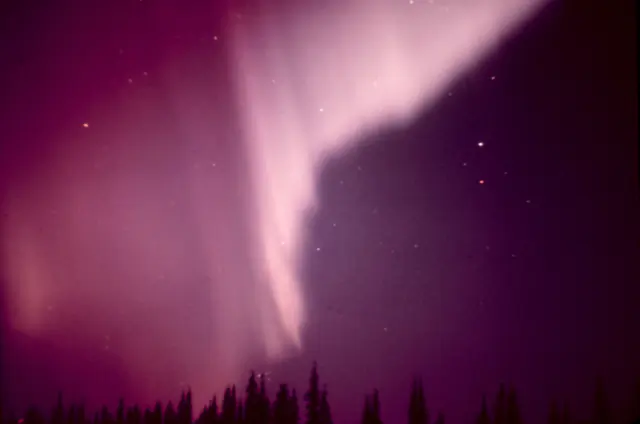
Oregon brings Pacific Northwest drama to aurora viewing — when strong geomagnetic storms push the lights south, the northern lights dance above Cascade peaks, high desert, and rocky coastline.
Northern Lights in the Pacific Northwest
Oregon at 45.52°N requires a KP index of 6 for visible aurora, meaning displays are limited to strong geomagnetic events. However, Oregon offers something few aurora destinations can match — extraordinary landscape diversity. Pacific coastline, volcanic peaks, high desert, and ancient forests provide an enormous range of foreground settings.
During strong solar storms, aurora is visible from dark locations throughout northern Oregon. The state's eastern high desert and central Oregon provide some of the darkest skies in the western US, while the coast offers ocean-horizon views to the north.
Oregon has a strong amateur astronomy community and several designated dark sky locations. These communities are quick to share aurora alerts and viewing tips, making it easier for visitors to catch displays when they occur.
Best Aurora Viewing Spots in Oregon
Oregon Outback in the southeast — including the Alvord Desert and Steens Mountain — provides some of the darkest skies in the Lower 48. The dry, high-desert conditions mean clear nights are frequent, and the stark landscape creates unique aurora compositions.
Crater Lake National Park at 7,000+ feet provides elevated viewing above much haze and cloud, with the iconic lake as a potential foreground. The Painted Hills in central Oregon offer colorful geological formations under dark skies.
The Oregon Coast from Astoria south provides ocean-horizon views. Cape Blanco, Oregon's westernmost point, and Ecola State Park near Cannon Beach offer dramatic sea stack formations. Prineville Reservoir State Park and the Ochoco National Forest offer central Oregon dark-sky options.
Planning Aurora Viewing in Oregon
Portland International Airport (PDX) is the main entry point, with flights from across the US and internationally. Redmond (RDM) in central Oregon and Eugene (EUG) offer alternatives closer to dark-sky locations.
Oregon offers vast accommodation options from Portland's urban amenities to rural lodges, B&Bs, and campgrounds. Central Oregon (Bend, Sisters) provides a good base for both dark-sky access and daytime activities. The coast offers numerous charming towns with lodging.
Oregon weather varies dramatically by region. The coast and western valleys are wet in winter, while central and eastern Oregon are dry with clearer skies. For aurora viewing, central and eastern Oregon offer the best clear-sky odds. Temperatures range from mild on the coast to cold in the high desert (-10°C to 5°C).
Plan the trip
Getting to Oregon
Aurora trips need three things booked together: a flight into the right airport, somewhere dark to stay, and usually a car, because the sky you get is the sky above wherever you can drive to that night.
Compare flightsLive fares into Portland International Airport (PDX), the closest airport to Oregon.
Affiliate links. Booking through them costs you nothing extra and helps keep this site running.
Borealis App
Aurora forecasts, social feed & Hunter Ranks
Frequently Asked Questions
Yes, during strong geomagnetic events (KP 6+). Oregon at 45°N sees aurora roughly 5-10 times per year during solar maximum, primarily from dark locations in the northern half of the state. Major events (KP 8+) can produce vivid displays visible from multiple Oregon locations.
The Oregon Outback (southeast) — particularly the Alvord Desert and Hart Mountain areas — has Bortle class 1-2 conditions, among the darkest in America. Central Oregon (Prineville, Ochoco Forest) and the Painted Hills area also offer exceptional darkness.
The coast provides north-facing ocean horizons ideal for aurora viewing, but cloud cover is very frequent in winter. When clear nights align with KP 6+ events, the coast offers unique aurora-above-ocean compositions with sea stacks as foreground. Eastern Oregon is more reliably clear.
Both states are at similar latitudes with similar KP requirements. Oregon generally offers darker conditions in its eastern desert areas. Washington has the North Cascades and San Juan Islands for northern viewing. Both are viable Pacific Northwest aurora destinations during strong events.
Related Articles
Destination
Northern Lights in Idaho Central Dark Sky Reserve
Central Idaho is home to the first International Dark Sky Reserve in the United States, offering some of the darkest mea...
Destination
Northern Lights in Montana Glacier National Park
Montana's Glacier National Park, with its dramatic peaks, pristine lakes, and dark mountain skies, offers some of the mo...
Destination
Northern Lights in Michigan Upper Peninsula
Michigan's Upper Peninsula, surrounded by the Great Lakes, is one of the best places in the Lower 48 to see the northern...